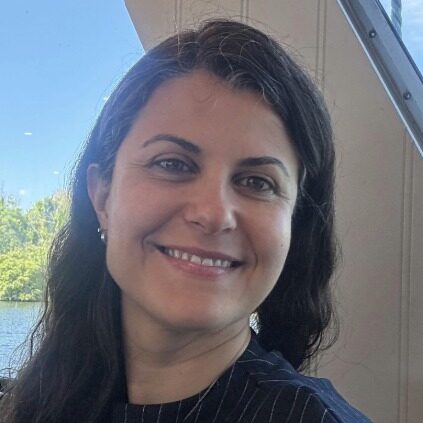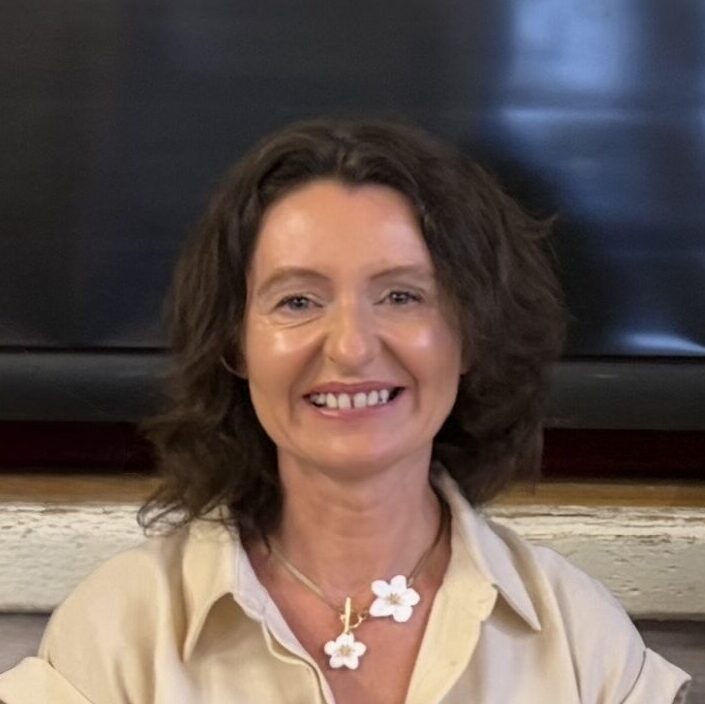
From memories of gas lamps and coal fires to conversations about demand response and community-owned renewable systems, the Aran Islands are forging a new relationship with energy. To explore this transformation, University of Galway PhD student Handy Borges Schiavon, part of the Informatics Research Unit for Sustainable Engineering (IRUSE) cluster, spoke with Cathy Ní Ghóill, General Manager of Comharchumann Forbartha Árann (CFA), a long-standing collaborator with University of Galway researchers. This feature examines how community participation, local resilience, and research partnerships with University of Galway are helping shape the future of energy on Ireland’s western edge while also offering lessons for rural and island communities far beyond the Aran Islands.
What the Aran Islands Can Teach Us About Energy
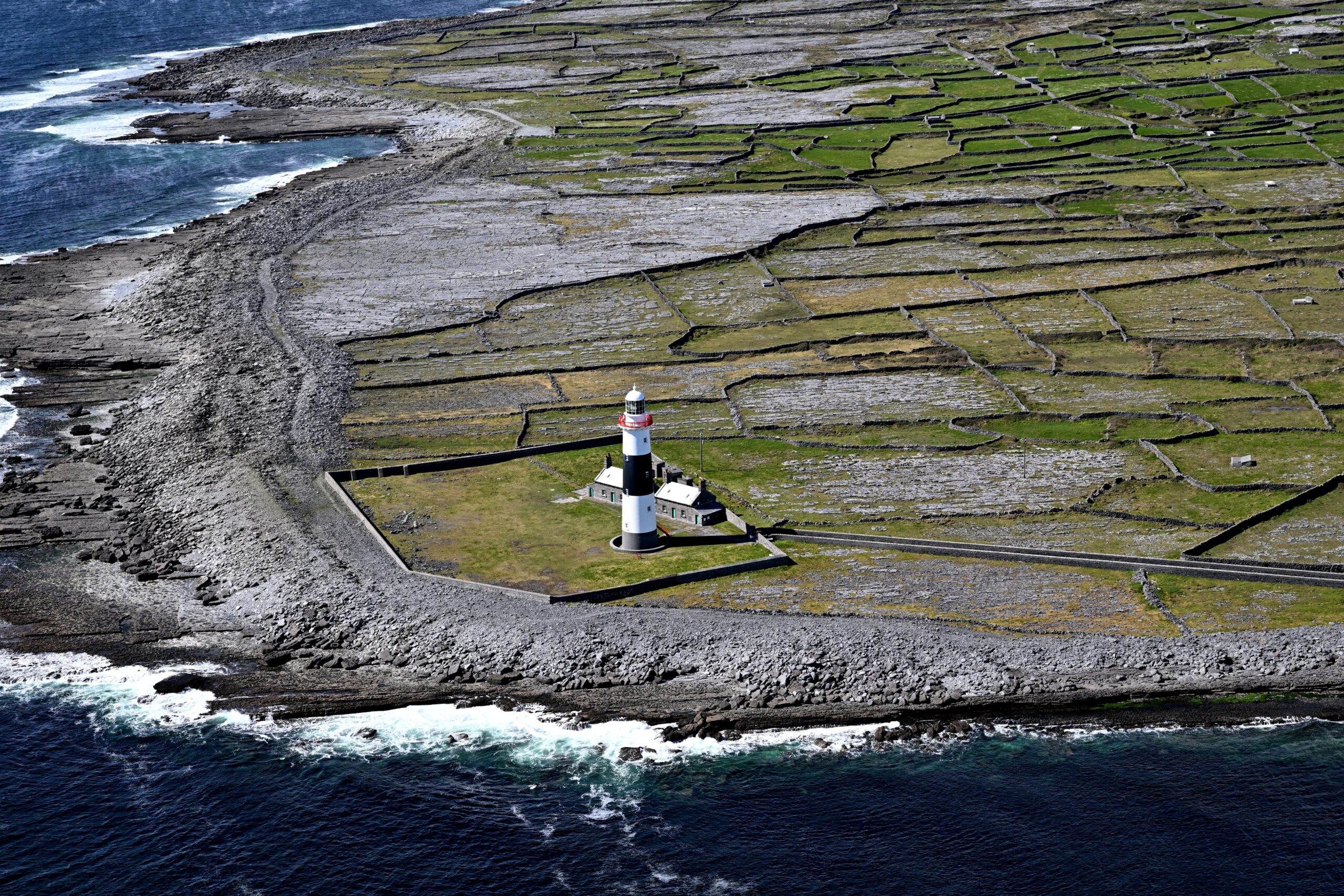
The Aran Islands, situated off the west coast of Ireland, have long been shaped by isolation, resilience, and a strong sense of community. Today, they are also becoming something else: a living laboratory for the future of energy.
Across Europe, while conversations around renewable energy often focus on infrastructure, technology, and decarbonisation targets, the transition on the Aran Islands is far more personal. Here, energy is deeply connected to everyday life, community participation, and the practical realities of living on an island.
For Cathy Ní Ghóill of CFA, that relationship with energy has transformed dramatically within the span of a single lifetime.
Growing up, Cathy recalls a childhood home lit by gas lamps and heated by an open fire and stove. There was even a hole cut into the bedroom floor so heat from the sitting-room stove could rise into the room above. “Energy was not something hidden in the background as it is today,” she explains, “it was visible and tangible in daily life.”
The arrival of electricity in the 1970s marked a profound shift for the islands. Cathy vividly remembers the first electric lights. “When the switch was turned on, the brightness of the electric light actually hurt my eyes because we were so used to the dim glow of gaslight and lanterns. It felt like stepping into another world.”
For islanders, electrification was about more than convenience. After decades of feeling disconnected from mainland services, this change fostered a strong sense of participation and collective ownership that would later shape the community’s approach to new energy initiatives.
A Community-Led Energy Transition
Long before renewable energy projects arrived at the island, Cathy believes that there was a sense of collective responsibility and shared problem-solving already in existence, cultivated by the realities of remote living. That mindset naturally aligned with the idea of ‘energy communities’.
Over the last decade, projects such as REACT – delivered through collaboration between the CFA and researchers from University of Galway’s IRUSE research group – have helped shift residents from passive energy consumers to active participants in how energy is generated, stored, and used. Through the installation of solar PV systems, batteries, heat pumps, and monitoring technologies in homes and community buildings, islanders began engaging with energy in a much more direct and conscious way. “People are genuinely engaged and increasingly active participants in energy decisions and renewable energy initiatives,” says Cathy.
Rather than simply introducing new technologies, the projects changed how people thought about energy. Information sessions organised through the co-op and monitoring tools such as mobile apps encouraged households to consider when to use appliances, see exactly how and when they were consuming electricity, or when solar generation was highest.
The impact extended beyond the households directly involved in the projects. On small islands like those comprising the Aran Islands, experiences spread quickly through conversations between neighbours, families, and friends. Residents shared information about savings, comfort improvements, and practical lessons learnt from using the technologies in daily life.
As Cathy explains: “The projects have increased awareness of everyday energy-consuming activities that many residents may not previously have considered. A good example is boiling the kettle, which participants now recognise as a surprisingly high-energy activity.”
Renewable energy on the Aran Islands is therefore not only viewed through an environmental lens. Rising living costs and the realities of island life mean energy awareness is also closely tied to affordability, comfort, and long-term sustainability for the community itself.
The Reality Behind Renewable Systems
While renewable energy projects have created new opportunities for the Aran Islands, Cathy is careful to stress that the transition has not always been straightforward. “Technology alone is not enough,” says Cathy. “The surrounding conditions, infrastructure and user understanding are equally important for success.”
Early pilot projects introduced technologies such as solar PV systems, batteries, and heat pumps into homes and community buildings across the islands. The experience highlighted an important lesson: renewable systems do not operate in isolation. Their success depends on the buildings they are installed in, the expectations of users, and the support available after installation.
In some cases, heat pumps were installed in homes that lacked proper or insufficient insulation, leading to unexpectedly high electricity costs and frustration among homeowners. These experiences brought the importance of communication to the forefront, such as setting realistic expectations and ensuring technologies are suited to the buildings and environments where they are deployed.
The greatest challenge has been maintaining systems once they are in place. For island communities, even basic or routine servicing can become a logistical obstacle. Contractors are often reluctant to travel offshore, and when they do, transport, accommodation, and freight costs can add significantly to repair and maintenance work.
Cathy recalls waiting more than seven months for servicing support for two heat pumps installed at CFA facilities, highlighting a wider issue facing remote communities. “The biggest long-term problem is the maintenance of these systems after installation,” she says.
Cathy elaborates that these realities are not arguments against renewable energy transition, but reminders that resilience depends as much on people, infrastructure, and continuity as it does on technology itself.
Working with researchers from University of Galway’s IRUSE research group, CFA has continued to explore these challenges through projects including INTELLIGENT, RESTOR, and ICONIC. These projects have examined areas such as energy sharing, renewable storage, and community-led energy systems. Cathy notes that some of the greatest benefits of peer-to-peer energy sharing initiatives has been the exchange of knowledge between communities, researchers, and project partners. “It’s not just about technology; it’s about how communities can actively participate in generation, storage, and distribution, rather than being passive consumers,” she explains.
The projects and collaborations have also connected the Aran Islands with other rural and island communities across Europe, creating opportunities to share experiences and explore solutions suited to remote locations.
Cathy believes one of the most important lessons from these initiatives is advocating for a much greater emphasis on continuity, with knowledge and long-term support active from the beginning. She emphasises that while research funding can support installations and experimentation, maintaining long-term value requires continuity, technical handover, and ongoing local engagement. She says that for ongoing success: “There should be an explicit, built-in knowledge transfer system as part of project design.”
The long-term vision for the Aran Islands is increasingly rooted in energy self-sufficiency. As noted by Cathy herself: “Self-sufficiency has always been part of how people lived here in previous generations.”
While planning restrictions currently limit the development of wind energy infrastructure, community-based solar generation projects continue to offer opportunities for greater local energy generation. Cathy sees the future of energy on the Aran Islands as something not about leaving the past behind but reconnecting with a tradition of resilience and independence in a new form.
What the Aran Islands Can Teach Us
The story of the Aran Islands is not only about renewable technologies, but also about how communities build a new relationship with energy. Speaking specifically to collaborative work between the University and CFA, Cathy says: “It’s incredibly satisfying to be part of something that creates long-term positive change for local people.”
Cathy sites the most rewarding part as having seen these projects create tangible impact in everyday life, from helping reduce energy costs in community buildings to encouraging residents to think differently about how and when they use electricity.
Although the Aran Islands may be geographically remote, the lessons emerging from them extend far beyond Ireland’s western coast. Their experience shows that the future of energy in rural and island communities will depend not only on new technologies themselves, but in the proactiveness of people, relationships, and local knowledge that all come together to make those technologies work.
Profiles


 Articles
 Podcasts
 Videos
 Publications
 Change Makers
 New Horizons
 In Focus
 Innovate Together
 Global Impact
 SDG Champion Edition
 Creative Galway
 Sustainability
 Equality
 Arts
Arts Business
 Law
Law Medicine
 MedTech
 Science
 Sport
Sport Sustainability
 Impact Toolkit & Case Studies
 Events