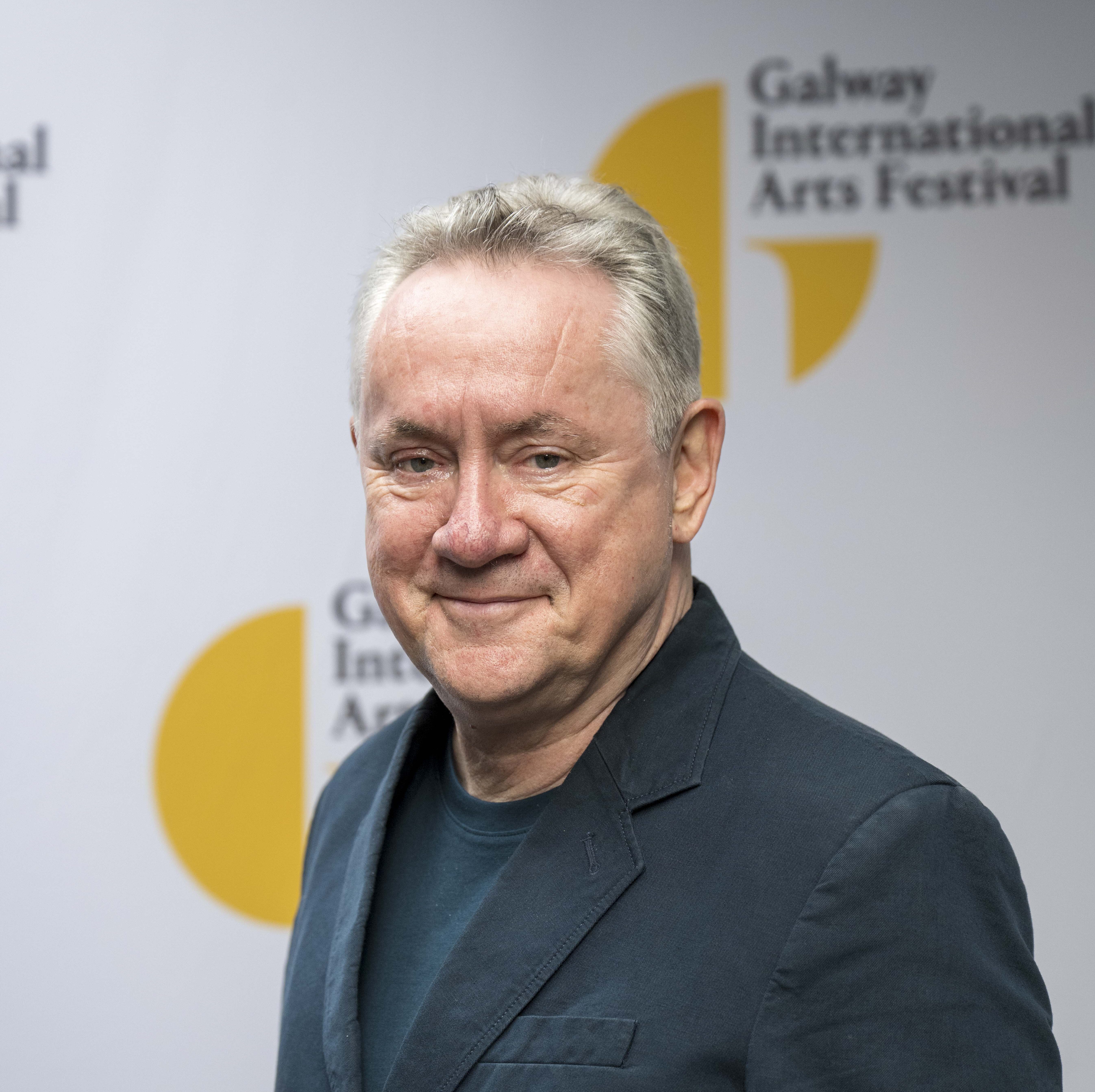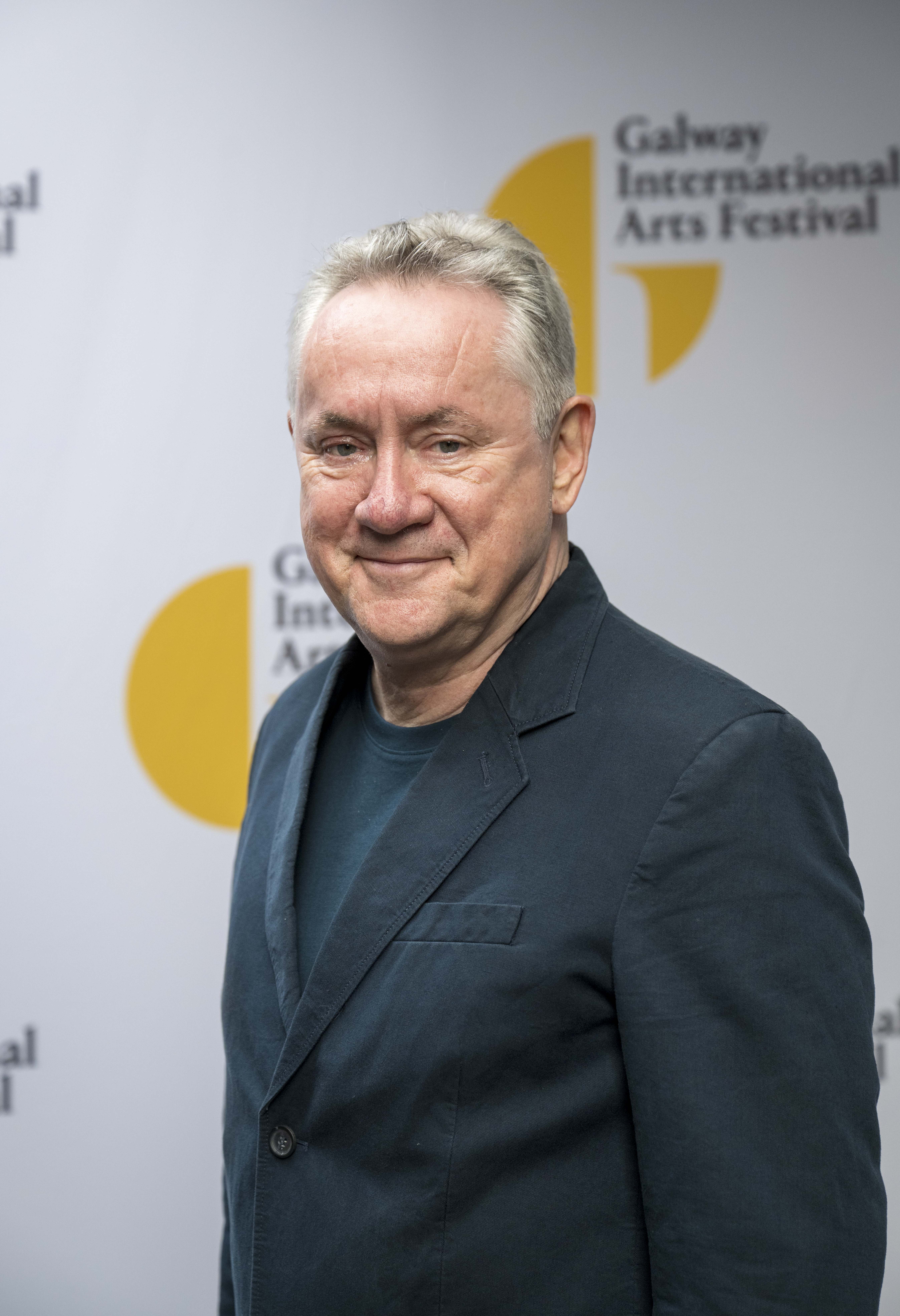

Bríd Seoige sits down with John Crumlish, CEO of the Galway International Arts Festival (GIAF), to explore the journey that took him from student life in Galway to leading one of Ireland’s flagship cultural events. Reflecting on his early days at UCG (now University of Galway), his introduction to Macnas and the Festival, and the creative energy of Galway in the late ’80s, he traces the key moments that shaped his path.
John shares insights into the Festival’s role in Galway’s growth as a cultural capital, its partnership with University of Galway, and the challenges of funding and infrastructure. At the heart of it all is a clear belief: creative industries enrich society, and the University is a development agency, helping to anchor a west coast ecosystem where talent can study, create, and build careers locally.
Bríd Seoige: John, it’s a pleasure talking with you. Let’s begin at the start. What was it like being a student at University of Galway (then UCG)?
John Crumlish: I had a great time as a student at UCG. I met my wife Eithne there, I played a lot of sport, did some studying, and made a great bunch of friends, most of whom I’m still in regular contact with today.
Moving from North Inishowen in Donegal to Galway during the early 1980s represented significant change for me. I got through my exams and graduated with a degree in psychology, and along the way I developed a great affection for Galway.
I then went to University of Ulster and completed a master’s degree in Adult and Continuing Education, which led to me teaching psychology in the North-West College of Technology for a couple of years.
I came back to Galway during a summer break to play music with another Galway graduate, Declan Gibbons, who nowadays still works with me at Galway International Arts Festival (GIAF). It was during the summer when I’d returned that Macnas was kicking off, and things were happening culturally in the city.
When autumn arrived, I went back to my teaching job in Derry, but the following year I left that job and came back to Galway, as I knew I would sooner rather than later. I joined Macnas, joined a band, and got involved in the Arts Festival.
There was a great burst of creativity and imagination in Galway during the ‘80s and into the 90s. Galway was producing a lot of great bands, both the Arts Festival and Druid were building their reputations year on year, and Macnas moved centre stage with the hugely ambitious Gulliver project.
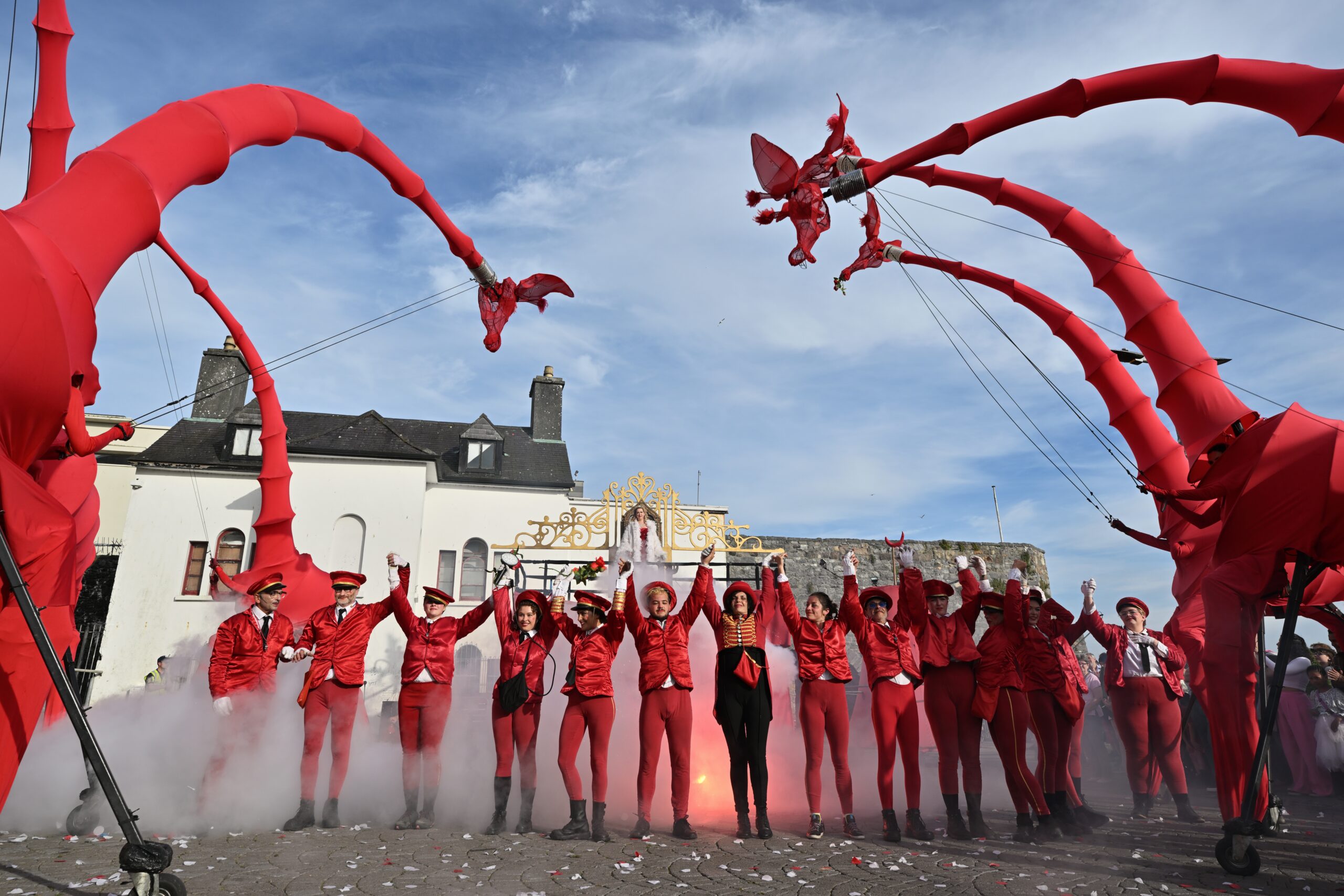
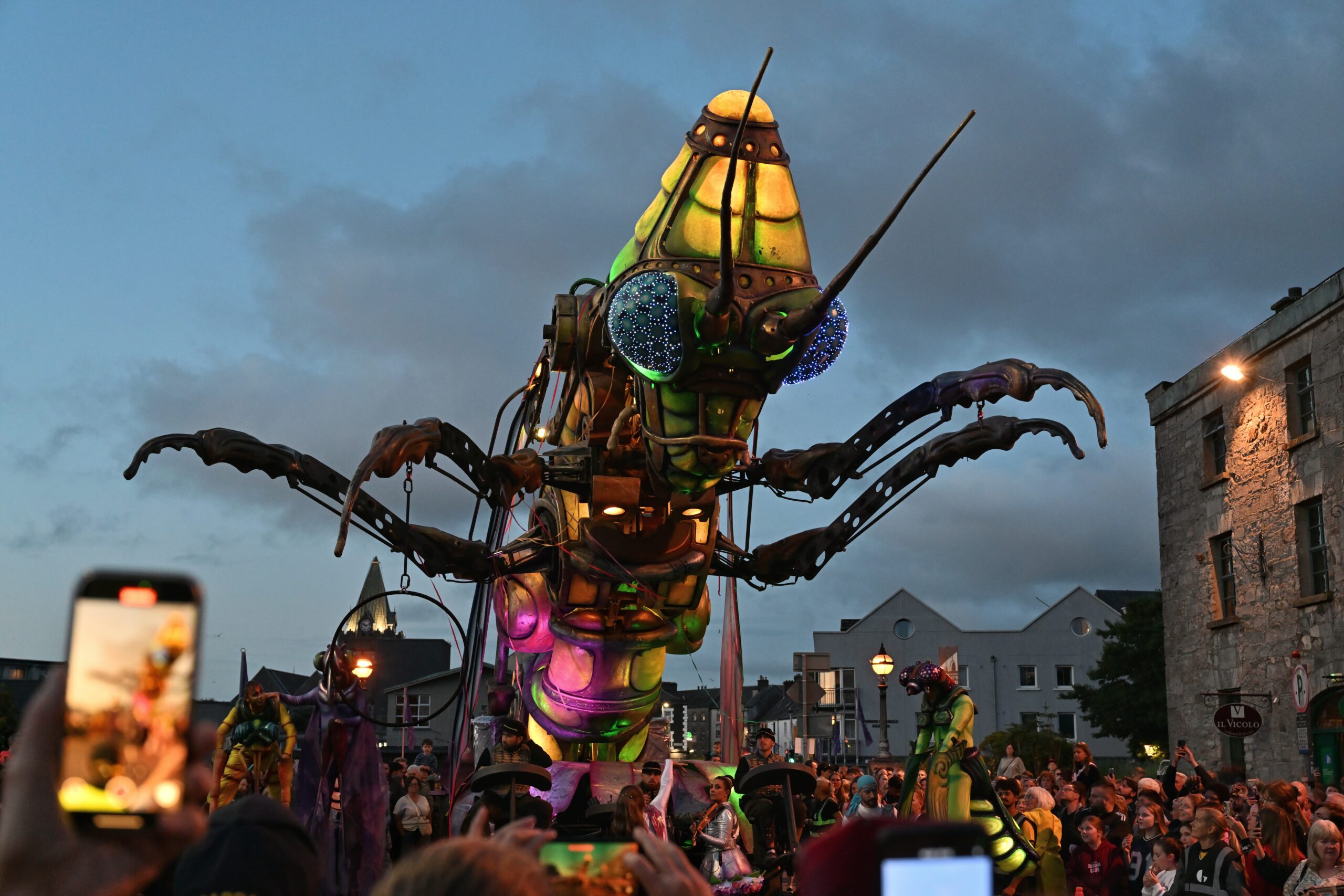
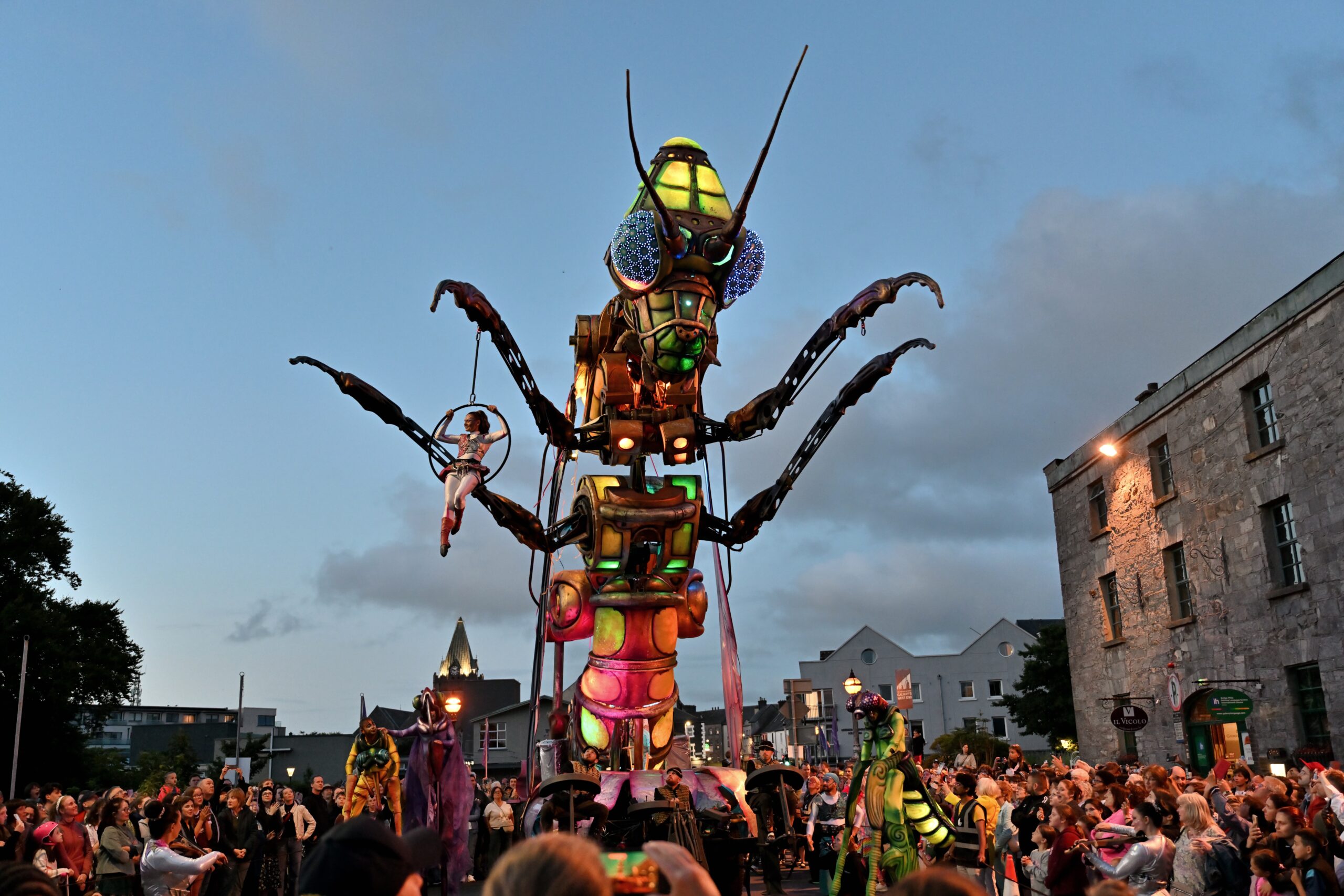
I vividly remember seeing A Brief History of France during the Arts Festival, performed by a French company called Royal de Luxe in the car park of Galway Cathedral. At one point, peat moss exploded all around us as the performers recreated the chaos of the World War I trenches – we weren’t just watching the action anymore, we were inside it. I very clearly remember thinking: what a way to make a living.
At that time, I was on the Festival production team, but I subsequently returned to Macnas, where I established Mac Teo, a new company within the organisation. I later returned to GIAF, having experienced the Festival from the ground up in various roles – volunteer, crew member, production manager, and now finally as CEO.
BS: You are 23 years and counting as Chief Executive Officer of the Galway International Arts Festival; could you take us through a typical day in this role?
JC: There isn’t really such a thing as a typical day – it depends very much on where we are in the Festival’s cycle. There is a team of us who have worked together for a number of years now, so we all very much know where focus needs to be at any given time. We move from programme planning and getting the funds together to do the Festival, where the conversations are about and with artists and their agents, companies, promoters, partners, funders, sponsors, and potential sponsors. We shape ideas and budgets, and work through proposals and funding applications before going into a much more operational focus as the Festival approaches. Artists and companies start to arrive, venues are prepared, production issues need solving, and the priority is making sure everything works as it should. At night, there are shows and gigs to go to. It is a very big celebration of creativity that moves at pace. It’s always about the ideas, about the ambition and collaboration.
BS: Galway is widely regarded as a cultural capital. In your view, how does the Festival contribute to the city’s artistic life and wider economic wellbeing?
JC: Culture and creativity have played a major role in shaping Galway as a city and now play a major part in the Galway brand. If you look at various culture organisations in the city – you have Druid, which celebrated its 50th anniversary last year, Baboró, marking its 30th year this year, Macnas in its 40th year, and ourselves approaching our 50th anniversary in 2027 – it all points to a significant and longstanding contribution.
Galway International Arts Festival was embraced early on by the public, so we now have several generations who have grown up with it, which has led to a strong sense of public ownership around GIAF – it belongs to Galway and has a very strong connection to it.
With regard to artistic wellbeing, the Festival has always looked to work closely with artists – supporting their development; commissioning, producing, and presenting their new work. This commitment has been central to the Festival’s identity. We’ve been incredibly fortunate to see extraordinary talent come through the Festival over the years. Writers, directors, performers, and visual artists whose work has had a significant national and international impact have passed through Galway. We’ve also been very lucky to have developed relationships with some incredible talents.
In theatre, that includes writers such as Enda Walsh, whose work has featured at the Festival over a number of years – from his ongoing Rooms series to Cillian Murphy’s remarkable one-man performance in Misterman and Ballyturk, the latter of which was performed with Stephen Rea and Mikel Murfi. There has also been Arlington with Charlie Murphy and Hugh O’Connor, and Medicine with Domhnall Gleeson, Claire Barrett, and Aoife Duffin.
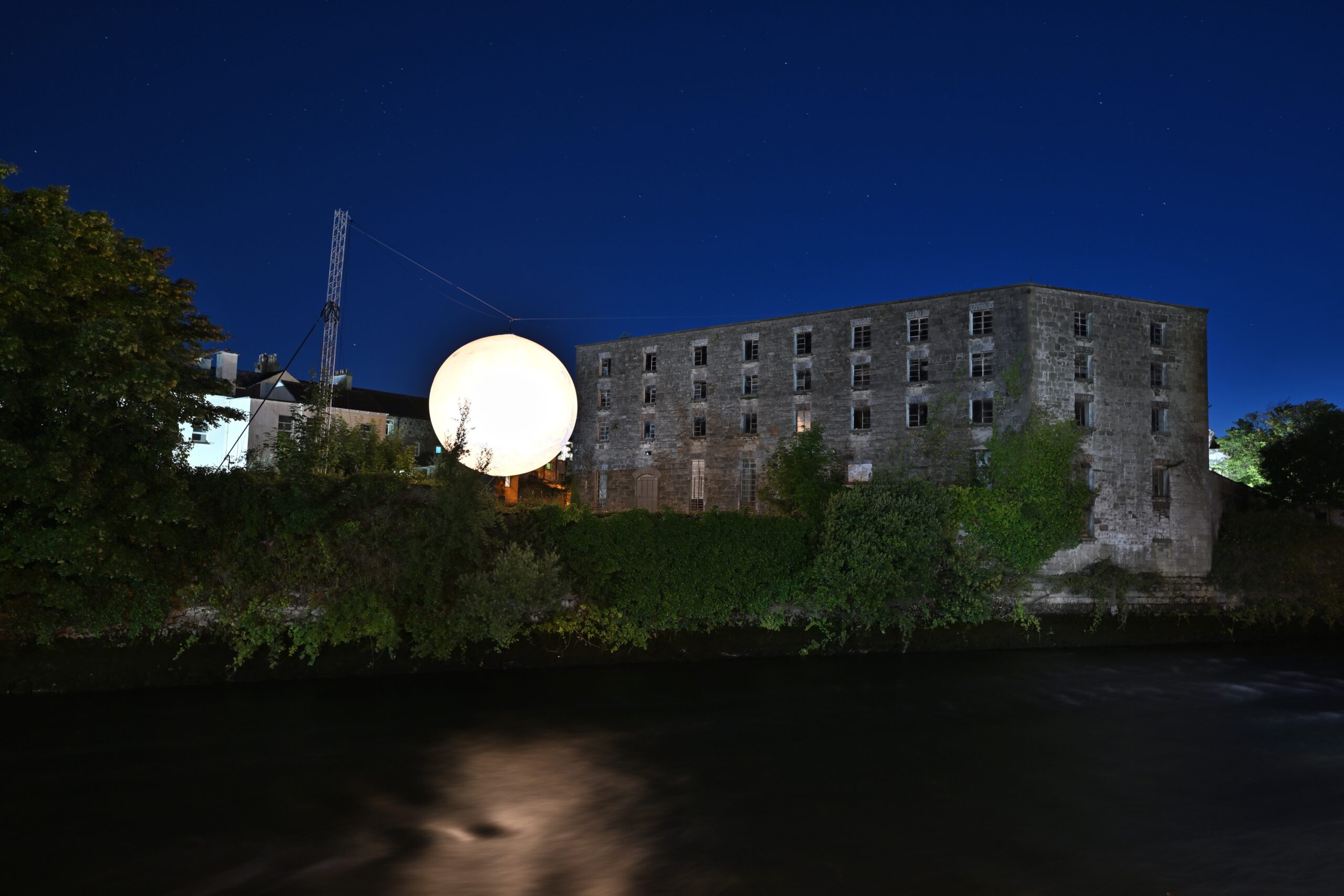
We’ve been just as fortunate in the visual arts, where we have relationships with artists such as Hughie O’Donoghue, and John Gerrard, whose Mirror Pavilion installation during Covid-19 was a particularly powerful moment for the city.
There is a real sense of privilege in that – of having such exceptional artists choose to make work for Galway. Sometimes you’re sitting quietly, watching something unfold in a dress rehearsal, or you’re looking at a plan for an exhibition or installation, and it’s just great to be there.
Alongside its cultural impact, the Festival has now become a platform for work to be seen, as it attracts international promoters and presenters who travel here specifically to see what’s shown. There is also the significant economic contribution to the local economy each year. GIAF brings audiences, activity, and visibility to Galway at a national and international level.
BS: Could you tell us more about the partnership between the GIAF and University of Galway, and how you see that relationship developing?
JC: The Festival’s relationship with the University goes back a long way and has developed significantly in recent years. A lot of the people who are involved in the Festival have personal connections with the University apart from having good working relationships developed over years.
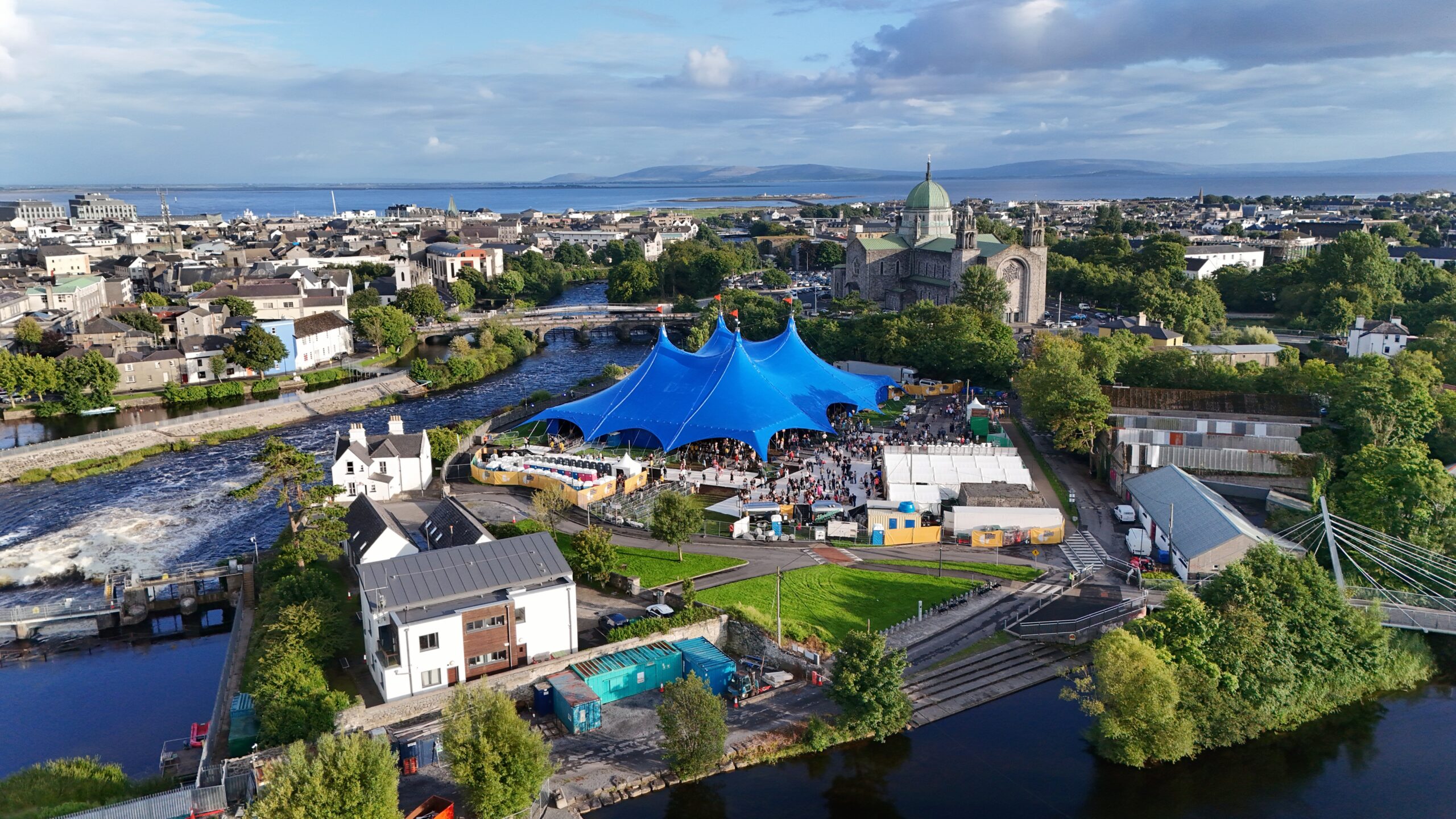
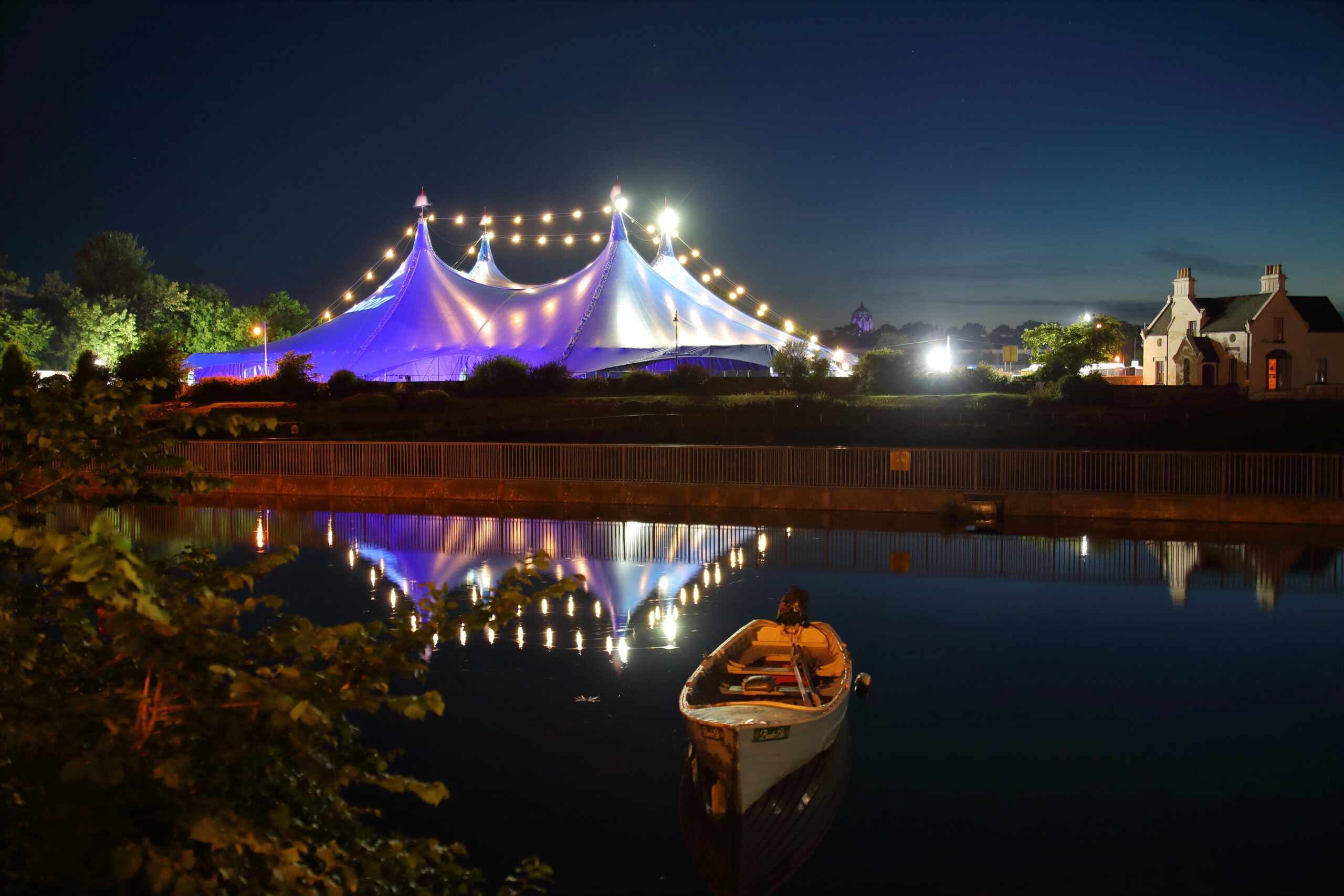
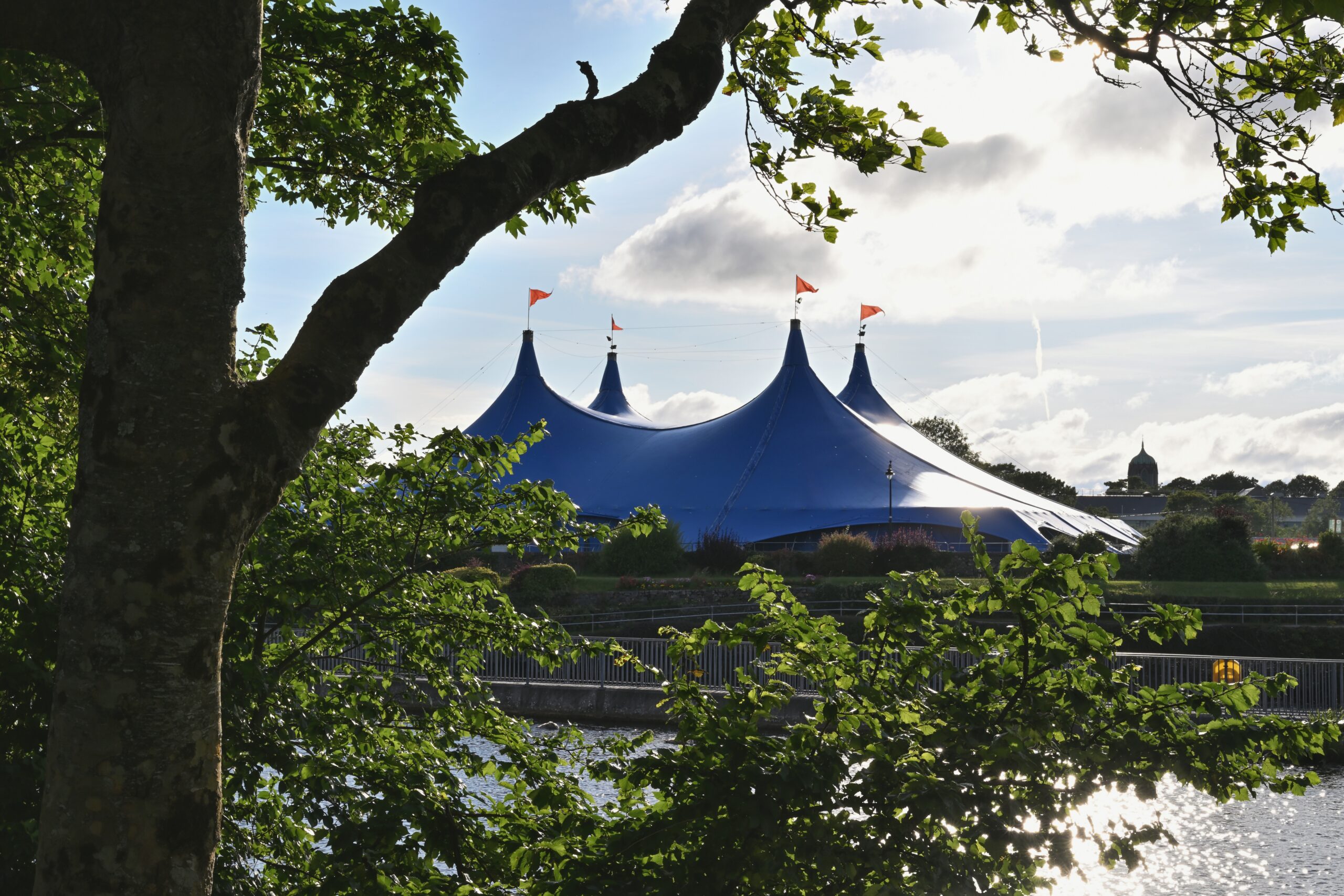
University of Galway provides a number of venues as theatre spaces and galleries. The campus hosts our First Thought discussion series and is also home to the Heineken Big Top, which is the biggest venue we have. We run an artist development programme with the University, together we are involved in a major EU project, PACESETTERS, and we partner on our volunteer programme, which has around 500 people involved each year.
The atmosphere around the campus during July is something special. There are, talks, theatre shows, visual art opera and music – for me, one of my all-time favourite Festival moments was delivered on campus, when Brian Wilson played all of Pet Sounds in the Heineken Big Top.
GIAF’s relationship with the University has been integral in the development of the Festival to date, and I hope that relationship and connection continue for another 50 years.
BS: Universities are often described as hubs of creativity and fresh thinking. How do you see the University fostering creativity among students, and in what ways could it further strengthen its role in supporting the creative and cultural industries?
JC: The University will always play an important role in developing the creative minds of the future, but I believe it also has the potential to become a major player in the growth of the creative industries in the West of Ireland. There is a real opportunity now to further establish the West as a vibrant hub for creative industries, and the University will be central to making that happen. It is encouraging to see that it is already moving in this direction.
The University’s engagement with GIAF through artist development programmes is also important to us. These initiatives help us reach a wide range of communities and support artists from diverse backgrounds to develop their voices. In doing so, they are empowered to tell their own stories and, hopefully, become the future stars of the Festival. There are so many different communities and so many opportunities to connect with these artists. Galway has long been known as the “City of Tribes” and today we have new tribes that we actively need to engage with to fully reflect the diversity of Galway.
BS: Funding the arts remains a significant issue. What’s your assessment of the current landscape for arts funding in Galway City, and what needs to happen to ensure a sustainable future for the sector?
JC: Funding is always a challenge in the arts. Festivals like ours rely on a combination of public funding, partnerships, sponsorship, donations, and ticket income. Our income model means we rely on a number of sources of income, and they all need to deliver their share each year to keep us doing what we do.
I do think that the city needs to build up cultural infrastructure if the arts are to continue to develop; in particular, Galway badly needs a gallery. Most of the spaces we use are temporary: the Kingfisher, the Bailey Allen Hall, the An Post Festival Gallery, the Festival Garden, the Big Top – these temporary cultural spaces allow us to operate at the scale we do and attract an attendance of 400,000 during the Festival.
What’s important is that there is long-term recognition of the value of culture to a city like Galway. Festivals create jobs, bring visitors to the city, provide opportunities for artists, and are significant contributors to the Galway brand. They are a key part of why Galway continues to punch above its weight, so further development of the sector will only deliver more.
I think over the next decade, University of Galway has a central role to play in the development of the arts in Galway and the wider region. For example, there is now an Institute for Creativity, and graduates coming out of the University have the potential to be key players in building the creative industries across Ireland. The creative industries have the potential to help remote places and small towns along the west coast be great places to live and work. They allow for world-class content to be developed and delivered while forming connections between creative communities.
As creative work becomes less tied to major cities, Galway – powered by the University – can anchor a vibrant west coast network where students not only study but go on to build lasting careers locally. That is incredibly powerful.
BS: Looking ahead, what’s next for you and GIAF? In a rapidly changing society, what role can the festival play in reflecting, challenging, and shaping cultural conversations?
JC: As we approach the Festival’s 50th anniversary in 2027, we’re thinking about how that celebration can allow us reflect on our past, examine our present, and hopefully also act as a springboard to launch the next 50 years. What will always be important to us is supporting artists and helping build a strong pipeline of talent.
We also have to think about sustainability, climate transition, and accessibility. If we say the Festival is for everyone, then it really has to be for everyone. Equality, diversity, and inclusion (EDI) is going to be a major part of that, access for all to engage with the Festival.
Also, one very important thing that the Festival does is create shared cultural experiences, whether that be in Galway or touring nationally or internationally, that bring people together. Our job will always be to help artists examine the human condition and tell those human stories. Being present and experiencing such things is truly special. That moment when everyone feels the spark of creativity jump from stage or wall or sculpture – that’s the moment we are after.
The Festival’s job is to try to reflect the world around us by platforming creativity and creating those unforgettable moments when great art connects with audiences. That is what GIAF has been about since the start, and what it will continue to be about for quite some time to come.


 Articles
 Podcasts
 Videos
 Publications
 Change Makers
 New Horizons
 In Focus
 Innovate Together
 Global Impact
 SDG Champion Edition
 Creative Galway
 Sustainability
 Equality
 Arts
Arts Business
 Law
Law Medicine
 MedTech
 Science
 Sport
Sport Sustainability
 Impact Toolkit & Case Studies
 Events