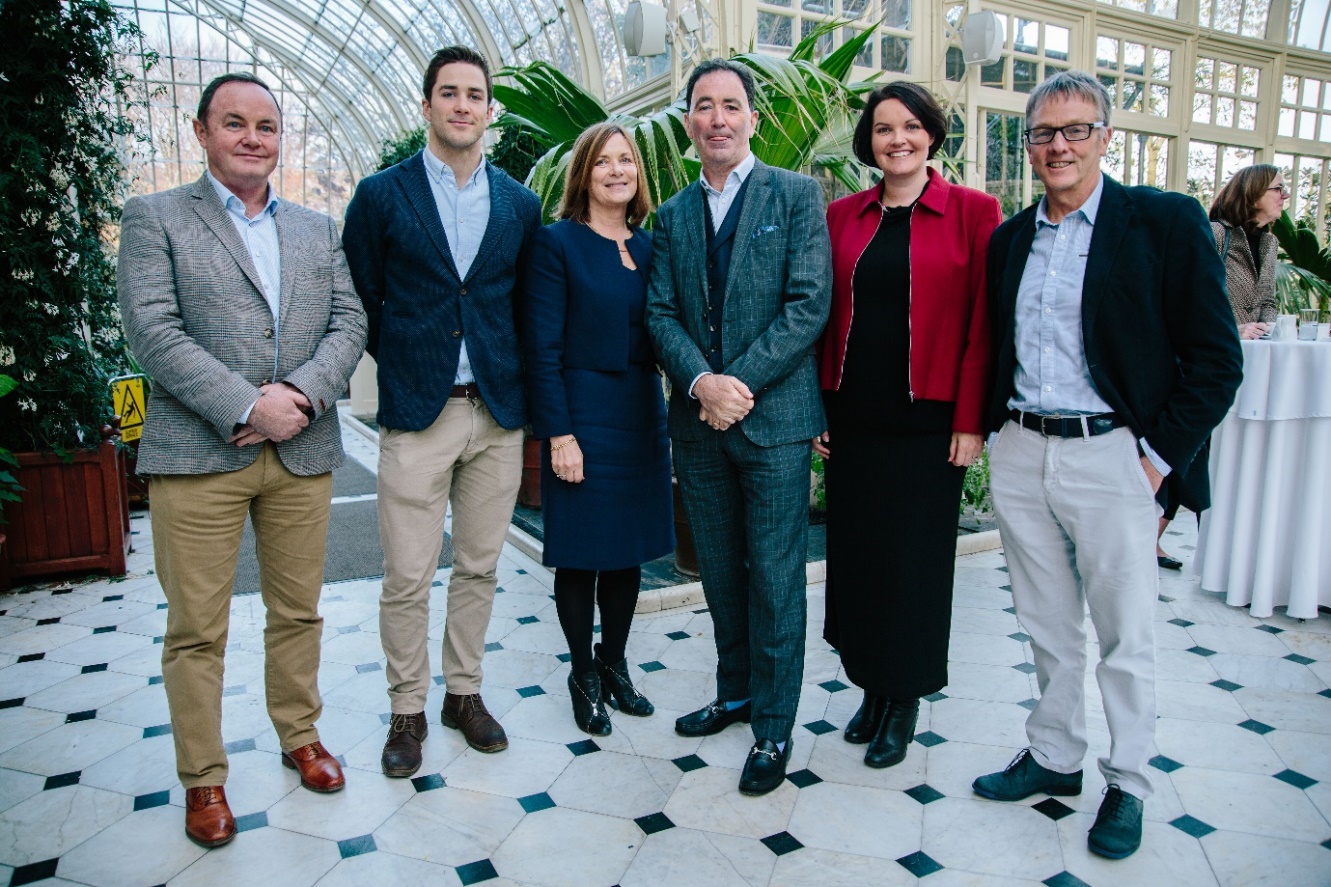
Maurice McQuillan is the current CEO of Lifes2good Foundation. The Foundation was set up by James and Maria Murphy after business success in Lifes2good. The primary focus of the Foundation is on the environment, but the Foundation also continues with two programmes from the first strategic planning cycle, which focused on women and children in situations of vulnerability. To facilitate this, the Foundation works with diverse organisations, from Global Legal Action Network (GLAN) to CAMFED, who specialise in girls’ education and empowerment in the developing world. In this article, Maurice recollects his experiences prior to and throughout his tenure as CEO of Lifes2good Foundation while he prepares to pass the baton to the next generation, CEO-appointee Philip Murphy.
“If I was hit by a bus and died tomorrow, I would have to admit that I have had a very lucky life. Most importantly, I have a wonderful wife, children I am proud of, and great friends.”—Maurice McQuillan, Alumnus | CEO Lifes2good Foundation
During my career in the army, I was involved in active soldiering on the border in the 1980s. I served overseas in Lebanon, Somalia, and Bosnia, and I had the privilege of working with John Bruton (now deceased), when he was Taoiseach in the 1990s.
In the early 2000s, my brief career working for a political party ended with the worst general election result ever for that party – but I took this in my stride, and I learned a lot and had great fun along the way.
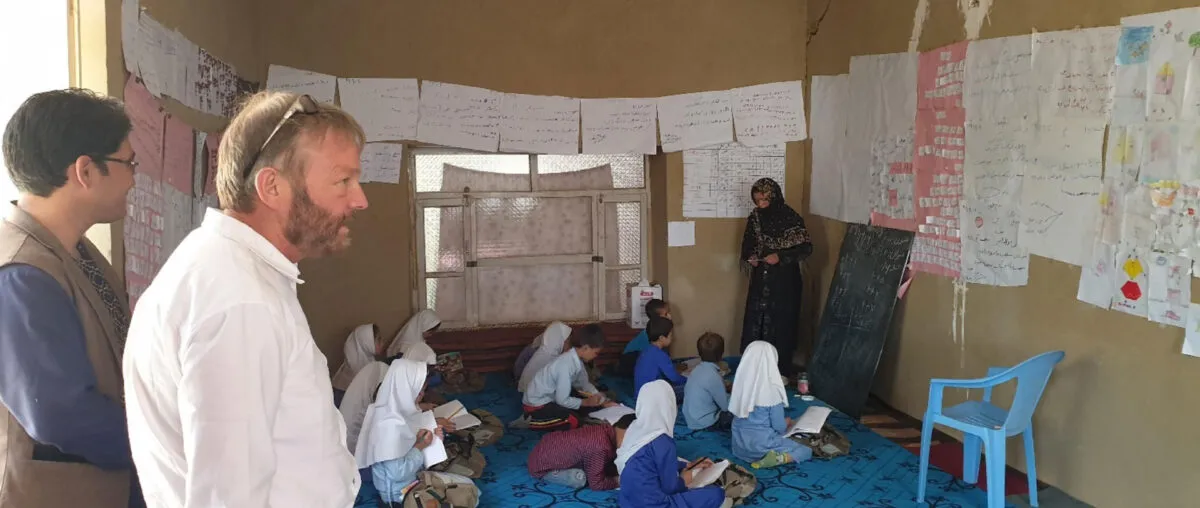
It was my subsequent career in international development, working with some of the most vulnerable people on our planet, from Afghanistan to Sudan, that gave me the most satisfaction, and eventually led me to philanthropy and my current role as CEO of Lifes2good Foundation.
Philanthropy can be a powerful force for social change. It will not solve all society’s problems, but it can act quickly and nimbly, unfettered by the bureaucracy that often constrains large-scale donors. And it can support innovation and leverage government funding to sustain impactful programmes long after philanthropic funding has ended.
That belief has guided my work as CEO of Lifes2good Foundation since 2017. The roots of this journey go back much further, to my student days in what was then University College Galway (UCG), now known as University of Galway, where I met James Murphy, from Athenry.
Early Lessons
While in university, I was lectured by none other than Michael D. Higgins, the former President of Ireland. His classes had a lasting impact and exposed me to the reality of global inequality and the importance of human rights. That influence never left me.
I went on to work in UN peacekeeping in Lebanon and Somalia, and later with the EU in post-war Bosnia. After a job in politics, I took on the role of Humanitarian Director at the international development agency, Trócaire, before, eight years ago, I took up the position of CEO of Lifes2good Foundation.
Despite 20 years of army experience and 16 years of international development experience, this was something new – working for James Murphy, a lifelong friend!
James and I played on the same U20 University of Galway (then UCG) rugby team. We didn’t win much, but the experience forged a strong friendship. Subsequently, James, together with his wife, Maria, built a highly successful global business in clinically proven health and beauty brands.
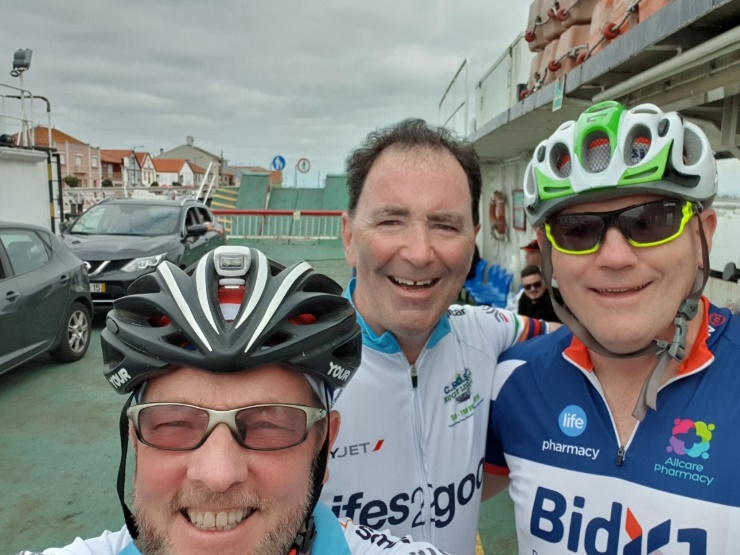
In 2017, as James and I cycled from Malin to Mizen for a cancer charity fundraiser, he turned to me and said, “Maurice, I want to set up a foundation that gives away €20 million over the next 10 years. I want to do something meaningful, that will make an impact.”
When first approached, I told James that I would never work for a friend. But James Murphy can be very persuasive. And here I am, eight years later, reflecting on my time as CEO of Lifes2good Foundation.
The Initial Vision
Together with James and Maria, we explored why they wanted to establish a foundation and discussed the differences between general charitable giving and giving through a formal foundation. Considering the scale of the funds they were prepared to commit, we agreed that a foundation would allow for a more strategic approach to facilitate the planning and evaluation of their giving.
We established a company limited by guarantee with charitable status; an official foundation, with a clear vision, enabling the family to engage in more structured and impactful giving.
In the early days of 2017, I spent time with James and Maria as their thinking evolved from “we want to give back and make a difference” to “we would like to support women and children in situations of vulnerability, primarily in the west of Ireland, but also in the developing world.”
They were drawn to place-based giving but also recognised global inequality and wanted to make a contribution in the global south. Early on, one of our larger overseas programmes contributed to advancing girls’ education in pre-Taliban Afghanistan. One of our smaller Irish initiatives paid for a state-of-the-art tartan running track for boys and girls in Athenry.
Strategic Planning – Mission, Values, Approach
Once the focus was narrowed, we engaged in a strategic planning process to define the foundation’s vision, mission, values, and approach. Over my tenure, I’ve found the values to be the most important guiding light, something I regularly revisit. While they may sound a little clunky (and technically they are not all “values”), they have served us well.
They are:
Of these, I’ve found Respect to be the most important, particularly given the inevitable power imbalance between the funder and the recipients of grants, our partners.
Early Days
In 2018, we supported COPE Galway in building a state-of-the-art refuge for women on the site of the former Magdalene laundry on Forster Street, near Eyre Square, Galway. In 2019, we established a multi annual partnership with Cathy Connolly and the Galway Rape Crisis Centre to establish Galway’s first dedicated teenage counselling programme, a vital initiative that continues today with State support.
We also recognised the positive impact that sport and music can have on young people. Working with Sport Ireland, the Federation of Irish Sport, and DCU’s School of Health and Human Performance, we developed a coaching course specifically tailored to the needs of girls and young women.
One smaller project I’m especially proud of is the video we created encouraging support and attendance at matches when Galway women reached three All Ireland finals in one year.
Learning to Fail
We learned that giving money away is easy, but giving it away well is much harder. Unsurprisingly, we made some mistakes along the way. When it came to failure, James brought his business mindset to the table. He advised me, “If you’re going to fail, fail quickly, move on, and use the learning.”
That advice has served me well, especially during the early pilot years.
Key Advice and Working For a Friend
The most valuable early advice came from my former manager at Trócaire, Mary Healy, who had gone on from Trócaire to run a private foundation. When I reached out to her, she shared two simple pieces of advice that I’ve returned to often:
Always remember, it’s their money
If it were your money, would you spend it this way?
As CEO, I couldn’t simply rely on my own experience in the sector. Over past these years, it’s been important to fully understand the founders’ motivations and their preferences around grant-making. Mary’s advice has helped guide many of my decisions.
Working for a friend naturally added complexity. I needed to respect the views of both founders, whilst simultaneously bringing my own professional expertise to the job.
James often came to me with ideas, at speed, and sometimes from left field. Some were brilliant; others needed more reflection. But in every instance, he brought energy and passion. He trusted my expertise, loyalty, and commitment, and I trusted that, no matter how unconventional his idea might seem, his intentions were grounded in doing the right thing.
In fairness, a number of those unusual ideas turned into real successes.
That willingness to take risks, and move from risk to reward, clearly served him well in business, and he brought that same mindset to his philanthropy.
To succeed in the role while preserving friendships, I had to make careful judgement calls. I knew we wouldn’t always agree. The key was knowing which battles were worth fighting and which weren’t. And through it all, former manager Mary Healy’s voice remained in my ear: “Remember, it’s his money.”
Exemplar Programme – Active* Consent
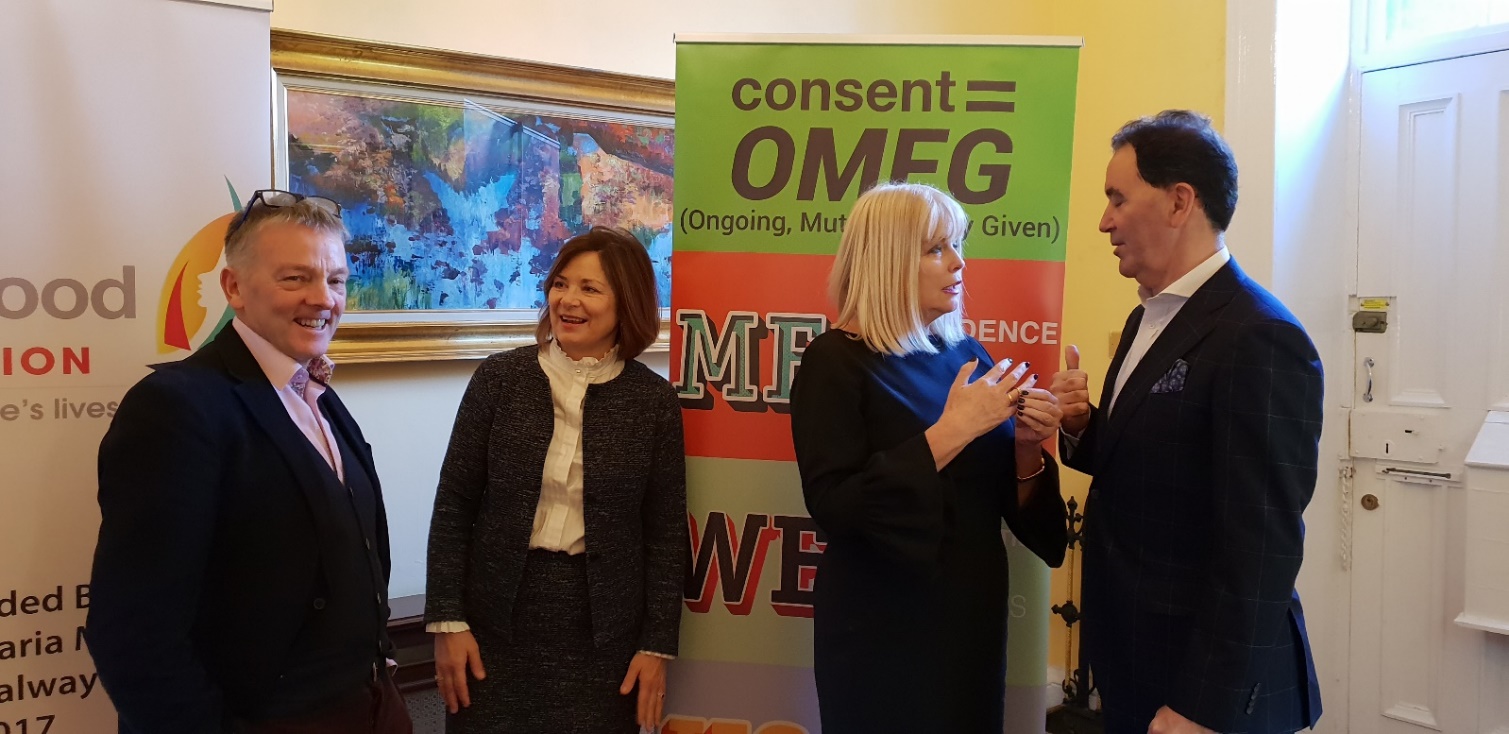
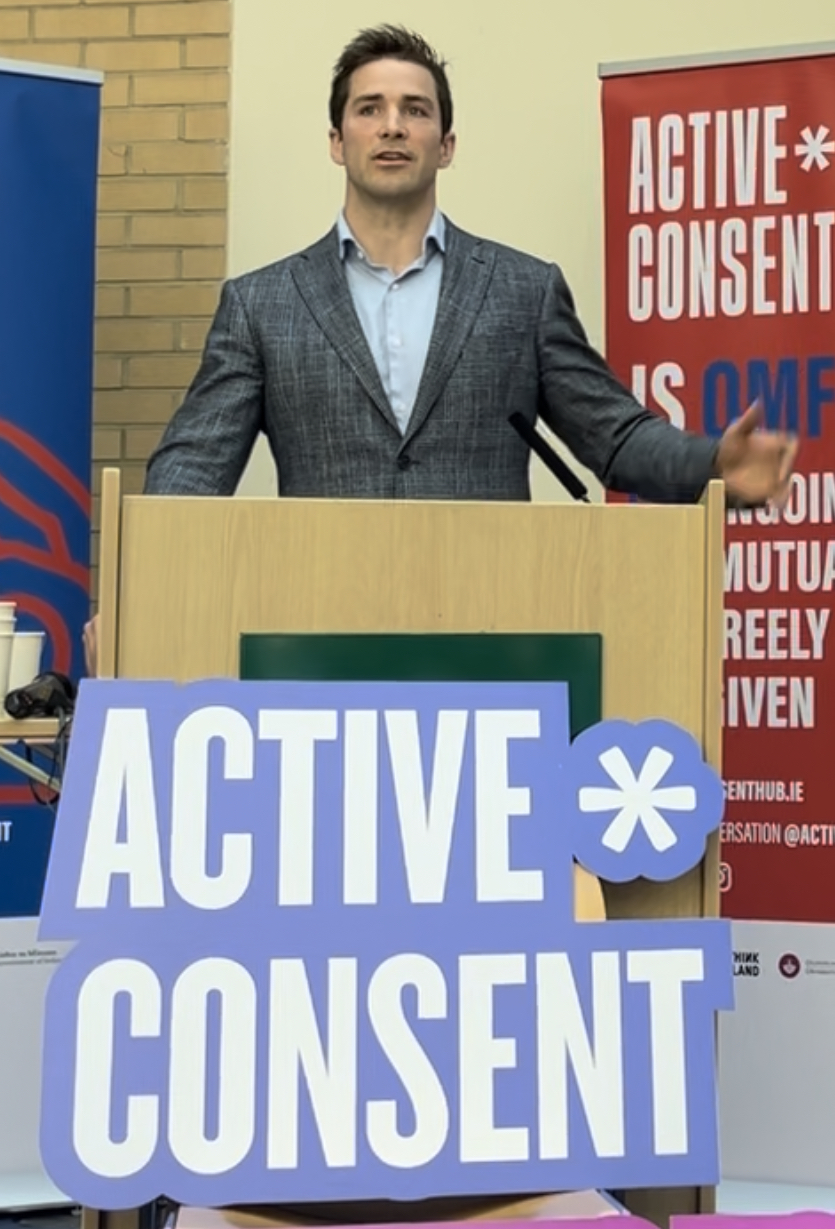
The Active* Consent programme was created in University of Galway in response to the crisis of sexual violence in our society, grounded by the belief that everyone has the right to consent – the right to say “yes” or “no” to sexual intimacy.
With support from Lifes2good Foundation, the Active* Consent programme has grown from a grassroots initiative established in 2013 into a national programme. It brings practitioners from drama, psychotherapy, health promotion, social work, and psychology to develop research-based outreach resources for young people.
How did Lifes2good Foundation get involved?
In the wake of the high-profile Belfast rugby trial in 2018, and the toxic WhatsApp messages that surfaced during it, Maria Murphy reached out to me. She asked if I could identify an organisation addressing the attitudes and behaviours of young men. After an extensive search, I found myself back at University of Galway, speaking with Professor Pádraig MacNeela, who at the time was leading the campus-based initiative called Smart Consent.
With the Foundation’s support, Smart Consent evolved into Active* Consent. Since then, it has gone from strength to strength, becoming a nationally recognised programme working at the intersection of research, education, and cultural change.
Across Ireland, education professionals and student leaders now deliver Active* Consent workshops in post-primary schools, further education and training settings, and universities.
The programme has influenced national policy and is referenced in key national strategies, from the Programme for Government to the National Strategy for Ending Gender-Based Violence. Active* Consent advocacy played an important role influencing the appointment of Sexual Violence Prevention and Response Managers in every Irish university.
Active* Consent has proved to be more than a programme. It represents a vital ideology for building a culture of respect. Its impact is evident in the national shift over the past decade, from a culture of silence around consent to its standing as a national priority. The programme’s reach now extends beyond Ireland, with its resources being adopted by colleges in the United States and the UK.
Strategic Plan Number Two and the Next Generation
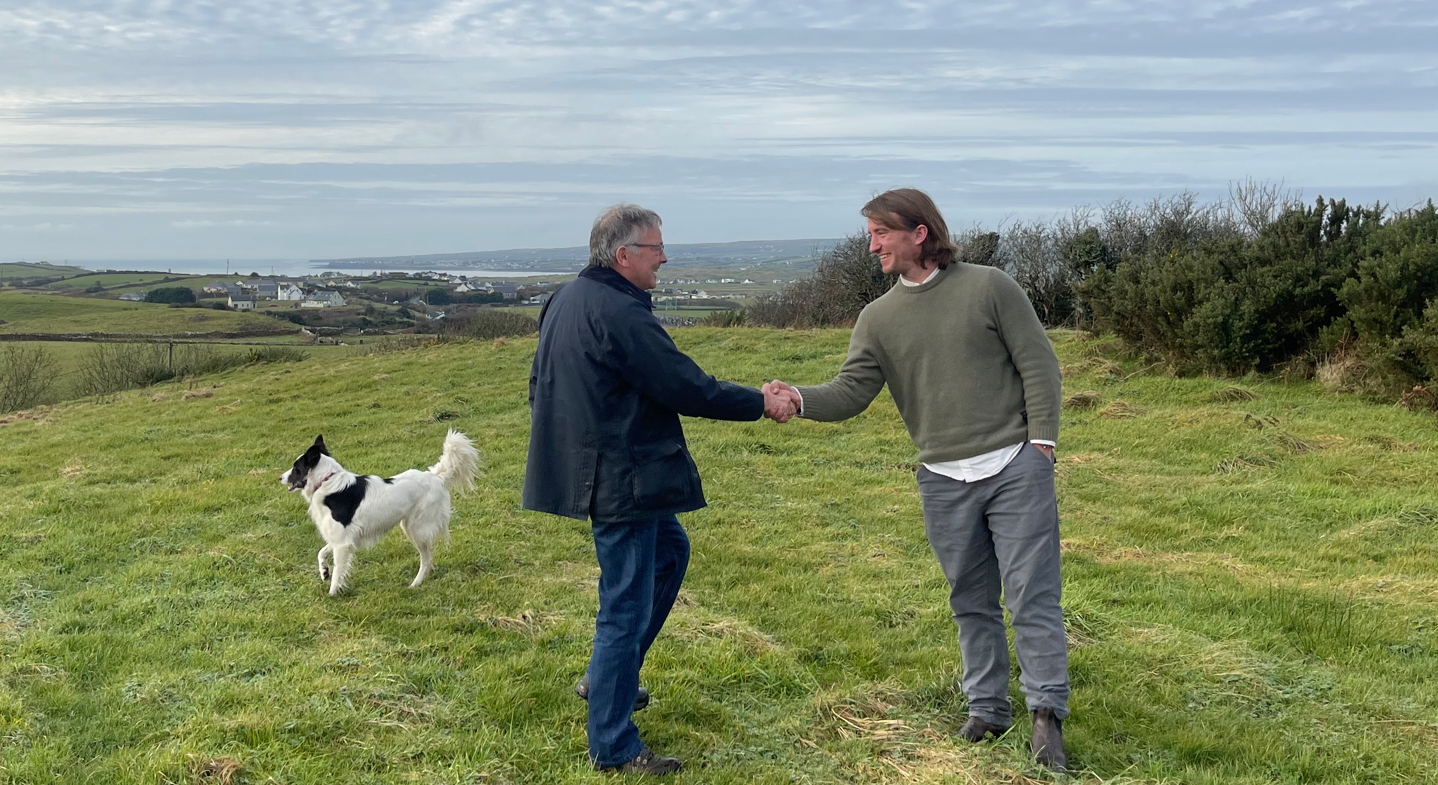
When James and Maria established the Foundation, they hoped their adult children might one day become involved and learn about philanthropy through direct engagement. In 2022, they asked me to meet individually with each of their four children to explore their views and aspirations for the Foundation. What emerged was unanimous: all were interested in becoming more involved, with the caveat that the Foundation shift its focus primarily to the environment, a cause they each identified as a defining global issue for their generation.
We took their views on board and consulted with the founders, board, and partners. Together, we made the decision to make a considered pivot, placing the environment at the heart of our second strategic plan, while continuing to support our two strongest legacy programmes from the first strategic plan, including Active* Consent at the University of Galway.
Now more than two years into this phase, we are supporting a range of initiatives in the sustainable land use space in Ireland, identifying organisations working at the intersection of nature, food, and farming. It’s an exciting sector, rapidly evolving, and led by inspirational and committed leaders.
We support Hometree, a nature restoration charity in the West of Ireland, and we recently committed to multi-annual funding toward their ambitious landscape restoration goals. We’ve also partnered with the BurrenBeo Trust and Farming for Nature, both of which work closely with farmers to manage their land holistically, providing benefits for nature, communities, soil, climate, food systems, and rural economies simultaneously.
A proud milestone in 2024 was our support of An BurrenBeo’s Hares Corner initiative, which helped create over 1000 new Hares Corners, from ponds to orchards to mini forests, across seven different local authority areas.
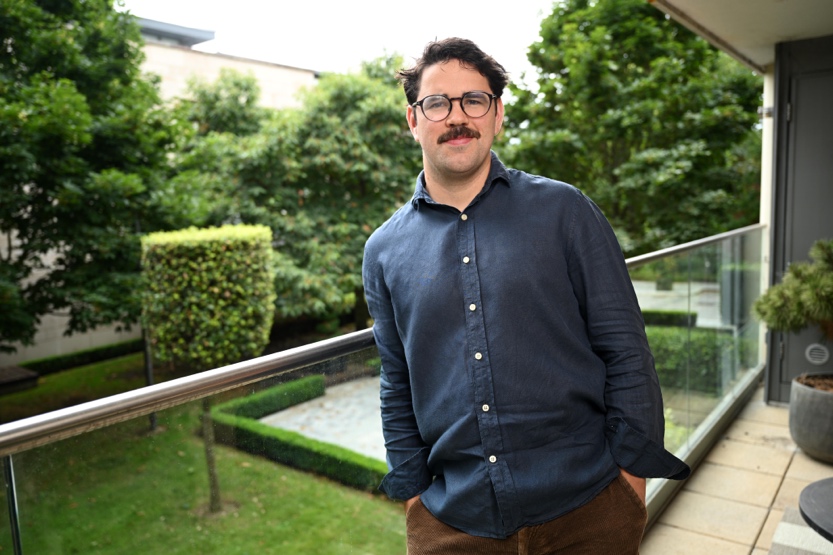
Every transition reaches a point where it’s time to step aside. For me, that time is fast approaching. As it does, I take satisfaction from what the Foundation has achieved to date, and I am confident that it will continue to flourish into the future.
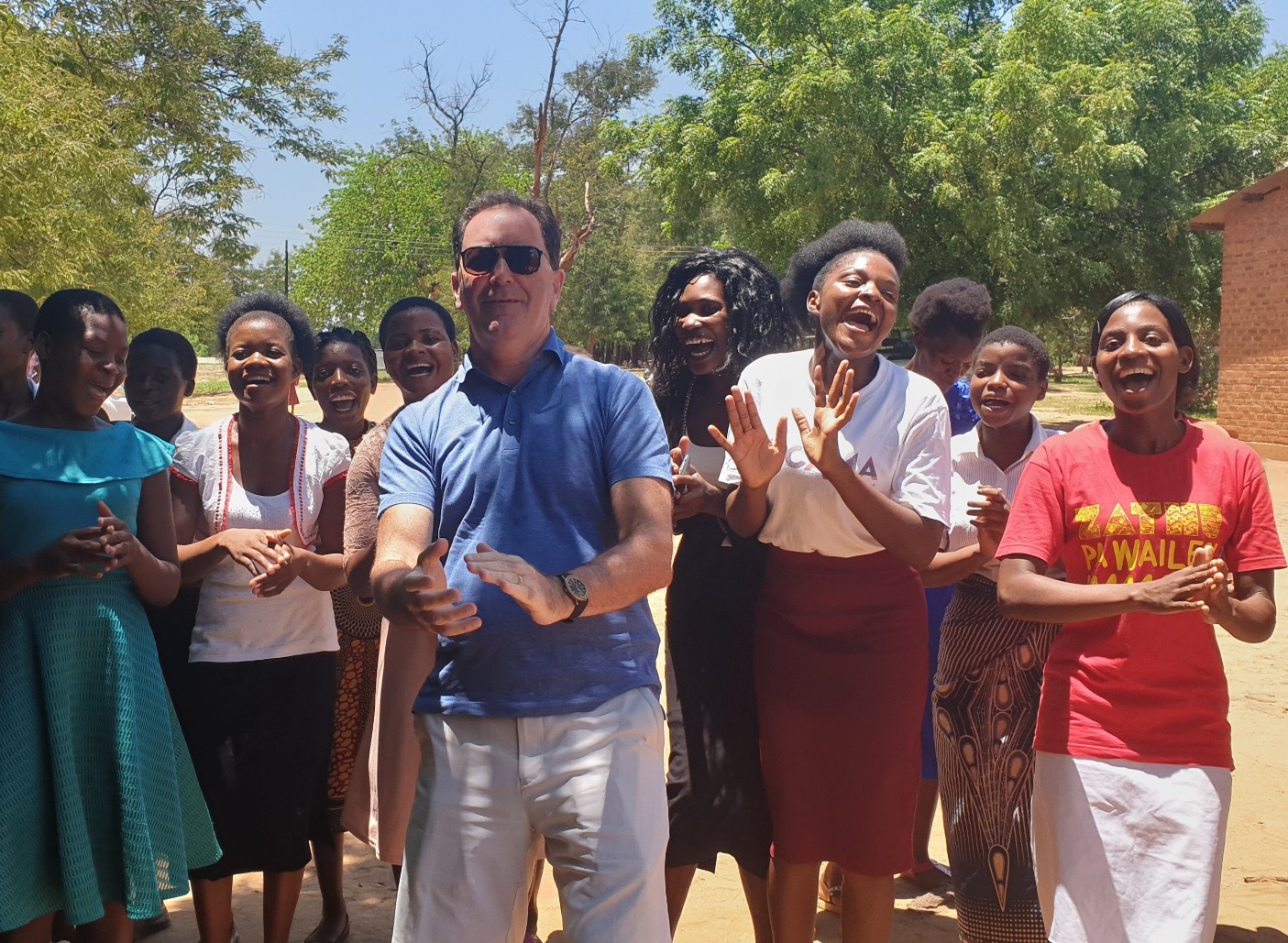
I feel lucky to have enjoyed a varied, exciting, and fulfilling working life, from Afghanistan to Athenry, and from girls’ education in rural Malawi to addressing issues around consent in Mountbellew Agricultural College.
It has been a unique privilege to help establish Lifes2good Foundation and oversee its growth over the past eight years. I owe a debt of gratitude to James and Maria Murphy for entrusting me with this opportunity, and to my wife, Ann, for supporting me throughout the journey.
Above all, I owe the biggest thanks to the committed, hardworking, innovative, and impactful partners who continue to drive positive change in Irish society, and beyond.
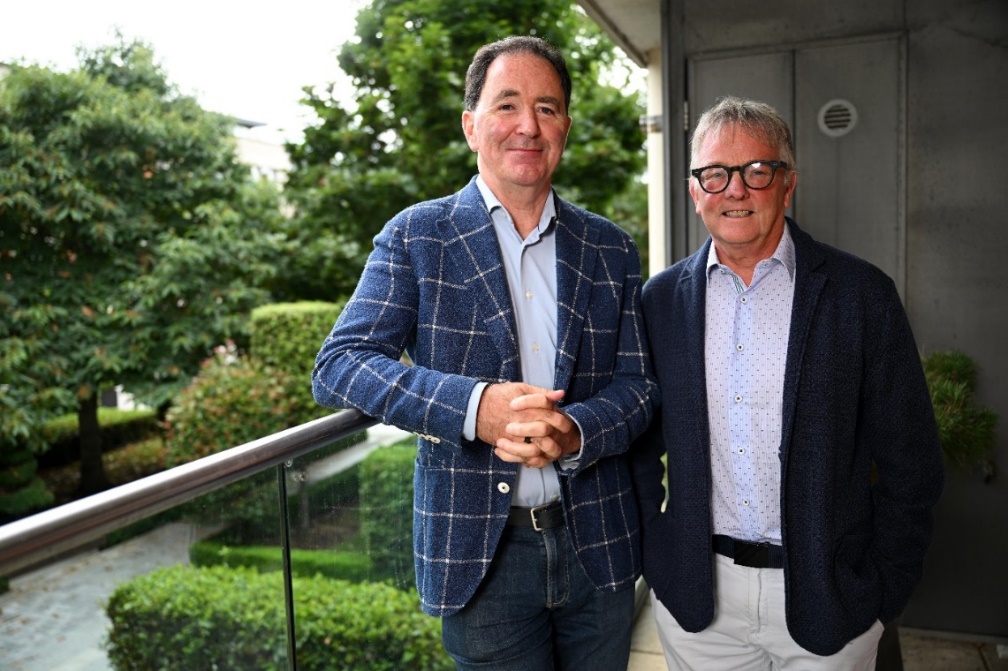
Profiles
University of Galway alumnus Maurice McQuillan, the current CEO of Lifes2good Foundation, has spent time in Irish politics and spent a year in Bosnia with the EU. He is a former Irish army officer, and he has been deployed in peacekeeping roles with the United Nations. He worked in the international development and humanitarian sector for 14 years, and he was Global Security Manager for Catholic Relief Services (CRS) – a large American INGO operating in over 100 countries. Prior to that he was the Head of Humanitarian Programming in Trócaire in Ireland. He worked in Syria, Somalia, and Afghanistan, and in both CRS and Trócaire, where he delivered extensive training at board and senior management level.


 Articles
 Podcasts
 Videos
 Publications
 New Horizons
 In Focus
 Innovate Together
 Global Impact
 SDG Champion Edition
 Creative Galway
 AI & Human Creativity
 Sustainability
 Equality
 Arts
Arts Business
 Law
Law Medicine
 MedTech
 Science
 Sport
Sport Sustainability
 Impact Toolkit & Case Studies
 Events