

As summer winds down, parents, guardians, and educators prepare for primary and secondary schools to reopen. This makes for a particularly timely moment to review the recently published research by the Health Behaviour in School-aged Children (HBSC) Ireland team, which highlights health and social behaviours of children and young people. The HBSC study is a cross-national research effort that monitors health behaviours, health outcomes, and social environments of school-age children. The study is carried out every four years in countries across Europe, Canada, and Central Asia in collaboration with the World Health Organization (WHO) Regional Office for Europe. The HBSC Ireland team is based at the Health Promotion Research Centre here at University of Galway.
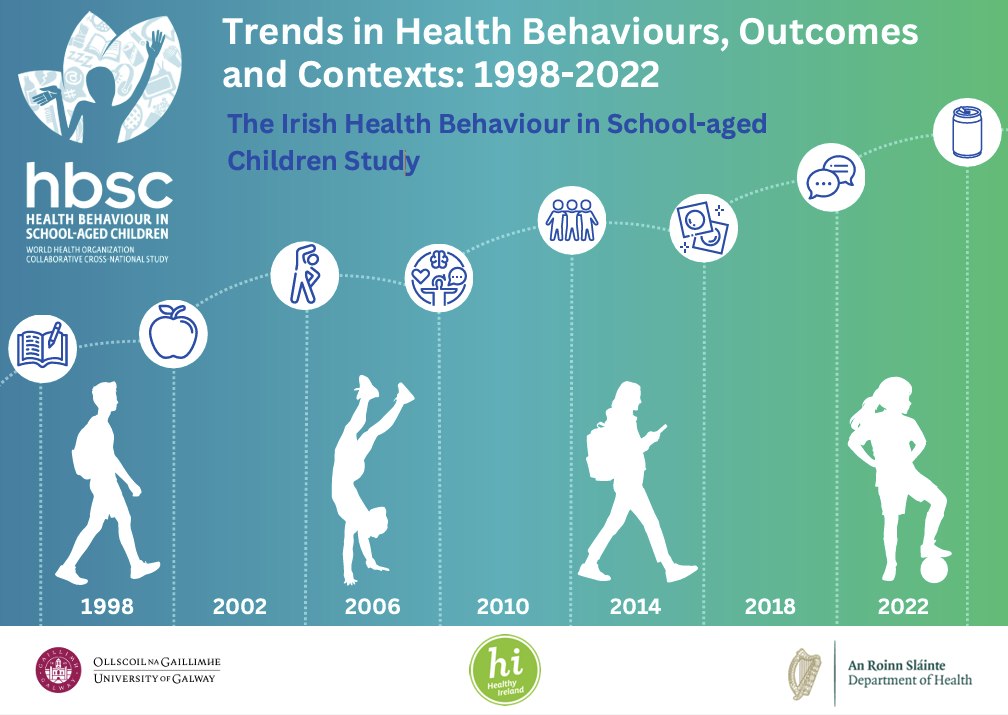
Published on the 3rd of June 2025, the Trends in Health Behaviours, Outcomes and Contexts: 1998-2022 report collates findings from the Irish Health Behaviour in School-aged Children Study. It examines the health and wellbeing of children in Ireland between 1998 and 2022.
Bringing together data from over 70,000 children, collected by the team at the University of Galway, the findings paint a picture across over two decades of change. Led by Louise Lunney, Aoife Gavin, András Költő, Larri Walker, Saoirse Nic Gabhainn, and Colette Kelly, the report was conducted in collaboration with the Department of Health, Government of Ireland, Dublin and the Health Promotion Research Centre, University of Galway.
It is a true window into the lives of the youth of Ireland, offering insight into how lived childhood has transformed over the years.
The Trends report is divided into three sections: health behaviours, health outcomes, and the social contexts of children’s lives. The snapshot sections below describe the findings for all children. The report, however, provides detail on the extent of change over time and examines the data by gender, age group, and social class. Importantly, inequalities in children’s health are evident in this report, with differences reflected in findings by age, gender, and social class.
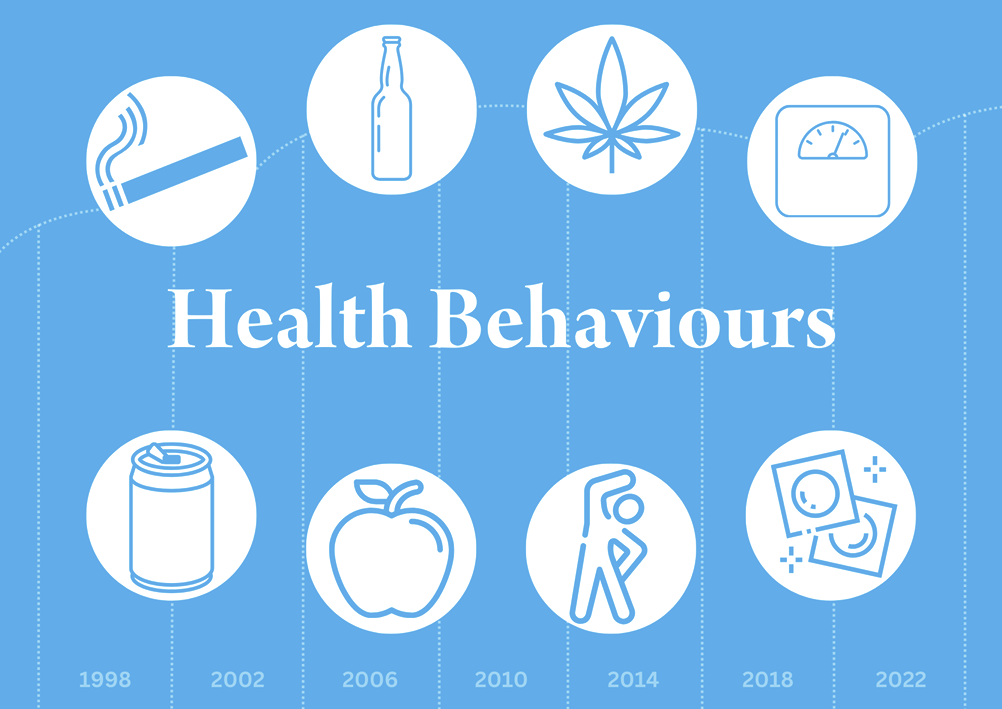
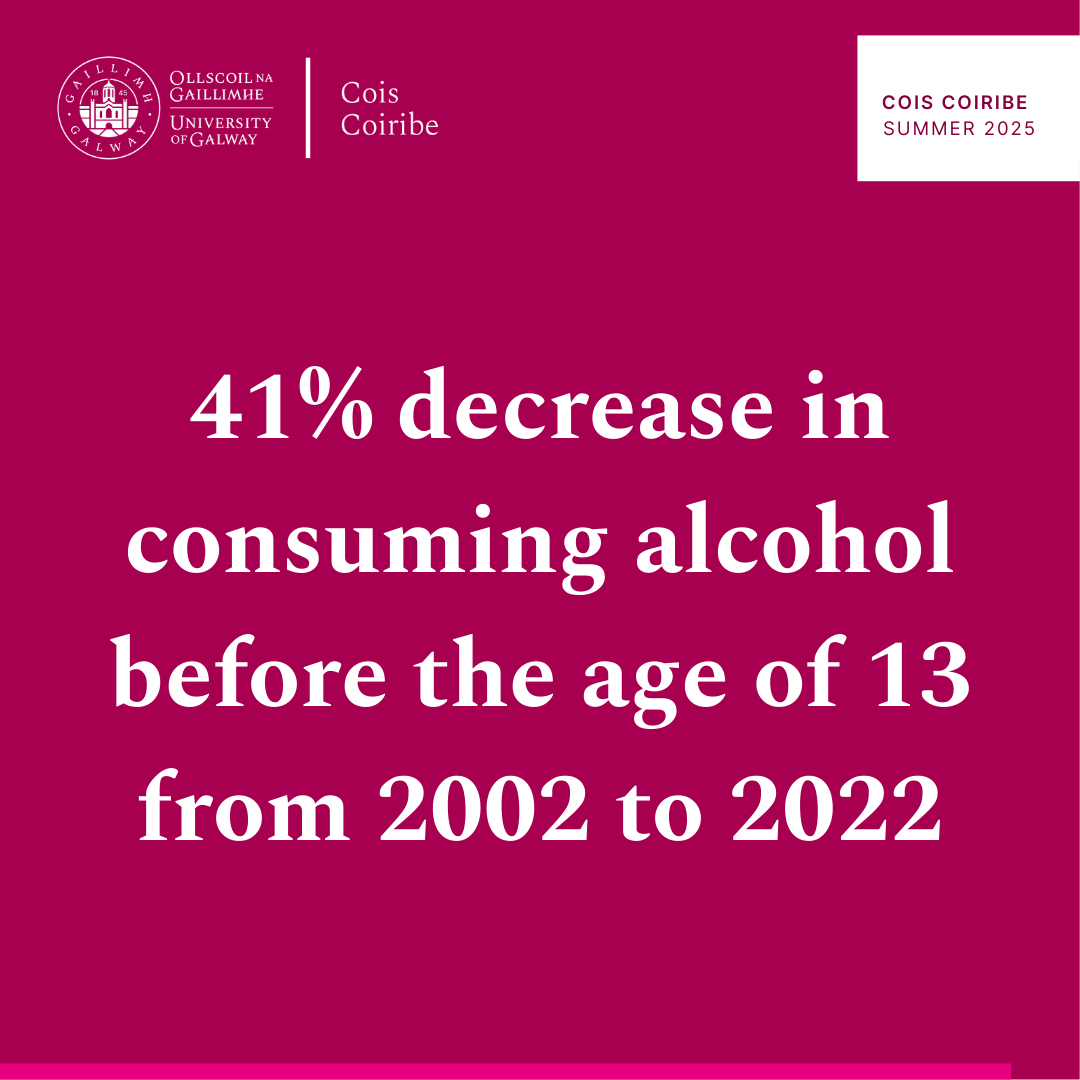
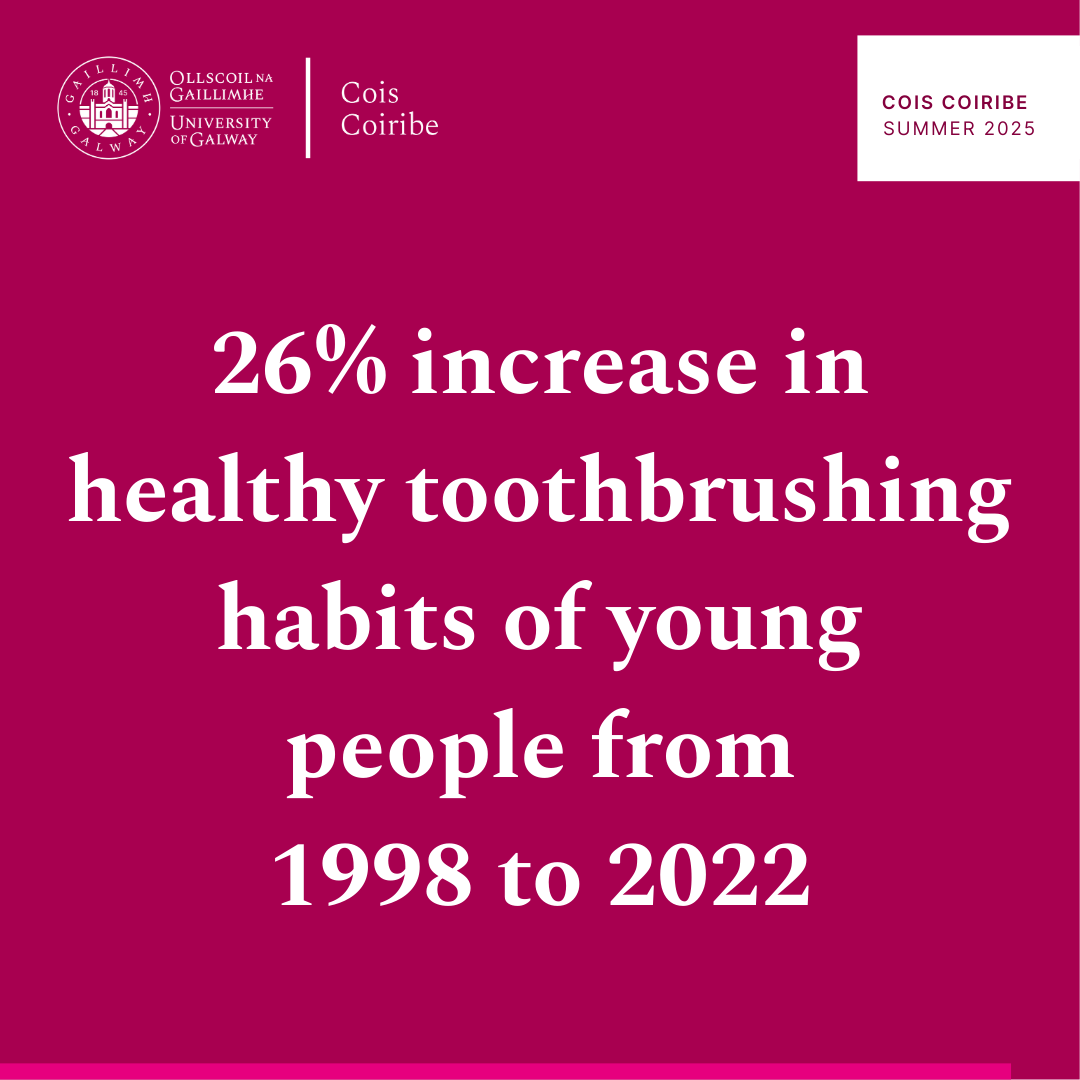
There was a marked decrease in tobacco, alcohol, and cannabis use. Conversely, there was an increase in children reporting trying to lose weight, going to school or bed hungry, and increasing fruit intake. A decrease in soft drink intake was also noteworthy. Both toothbrushing and seatbelt use rose. There was an overall decline in 15-17 year olds who reported ever having had sexual intercourse, and fewer young people reported using a condom at last sexual intercourse.
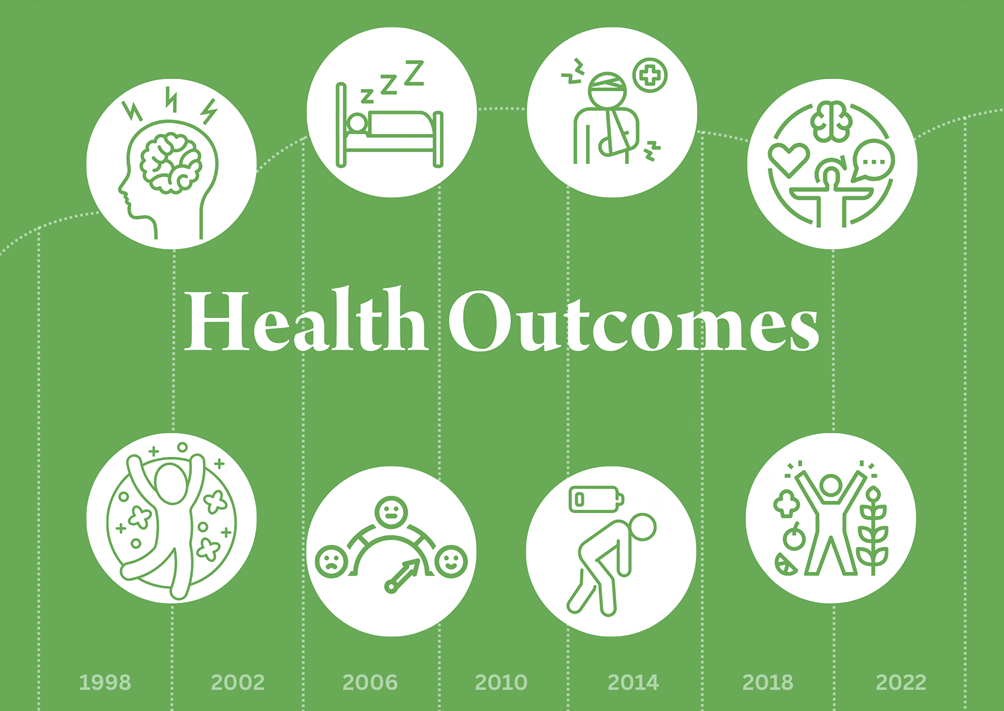
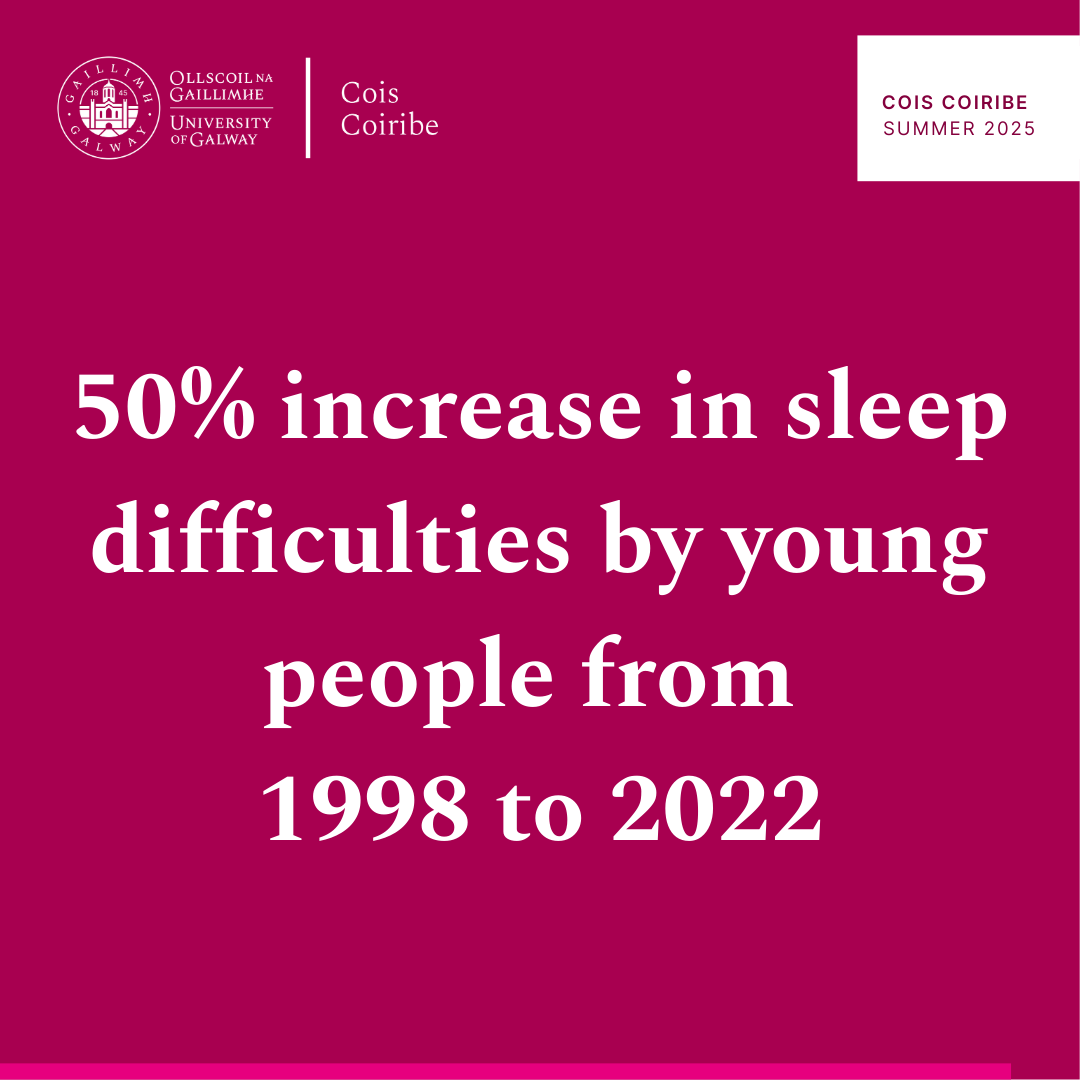
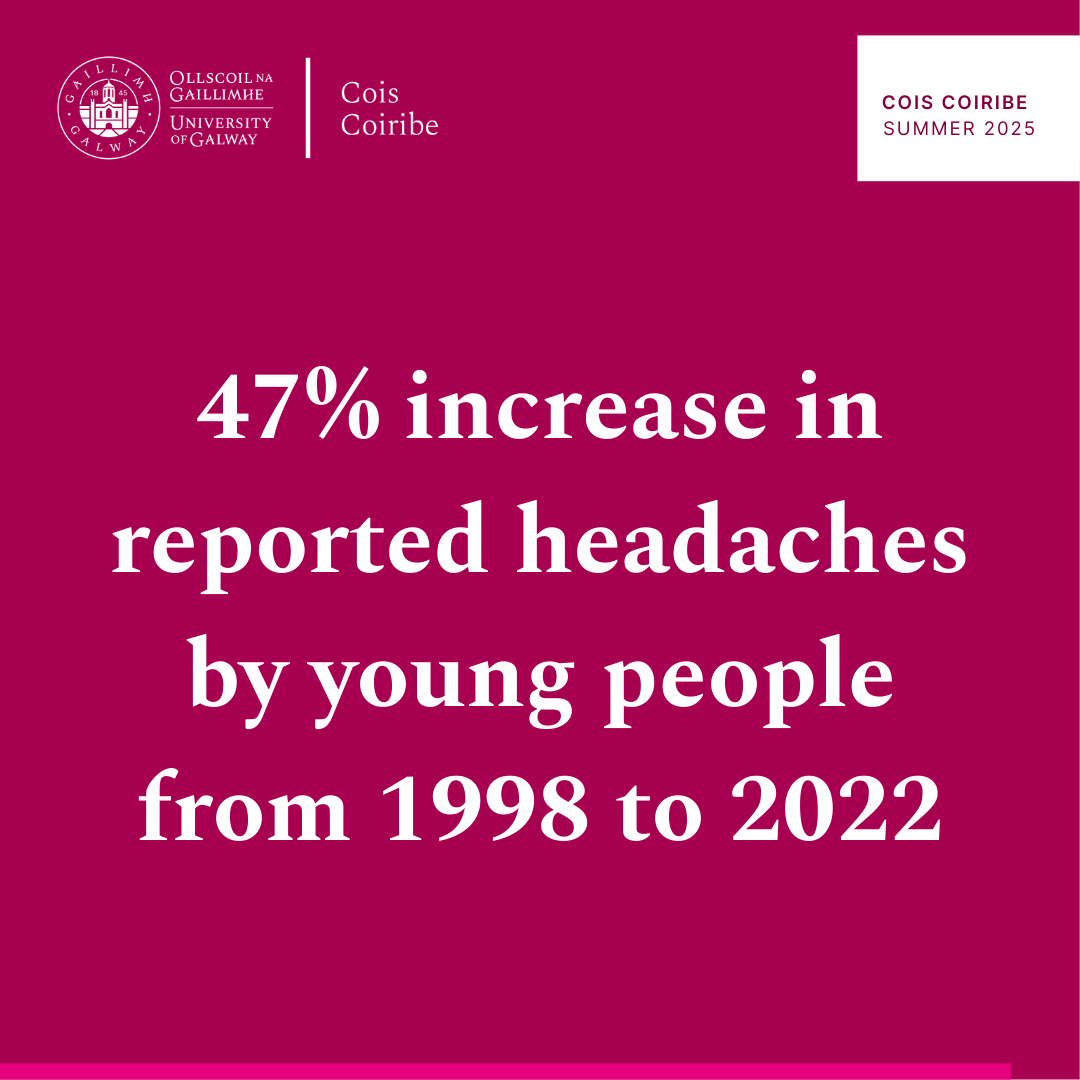
Headaches, sleep difficulties, and medically attended injuries are on the rise. Self-rated health, happiness, and life satisfaction have seen a negative turn. Likewise, ‘feeling low’ has seen a marked increase.
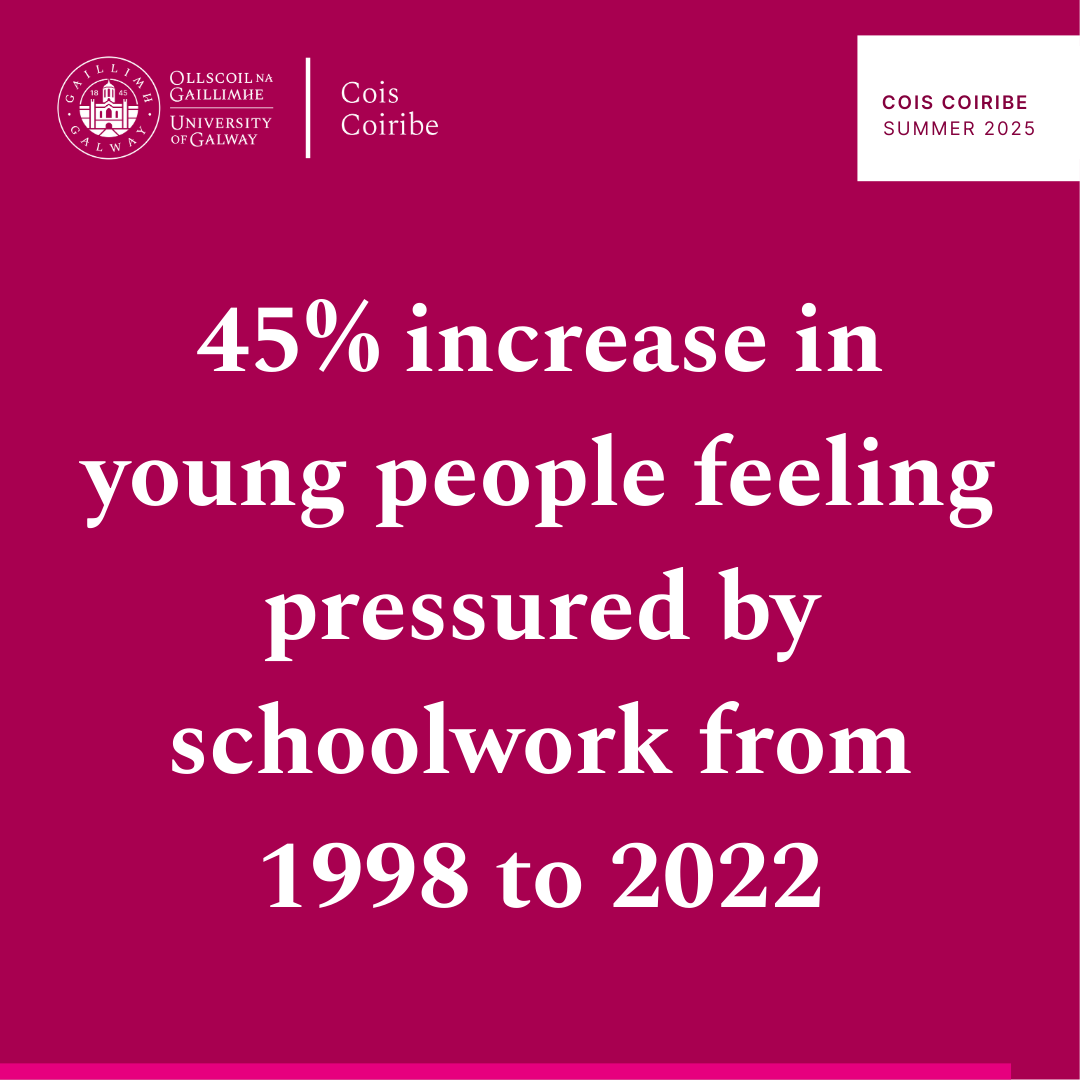
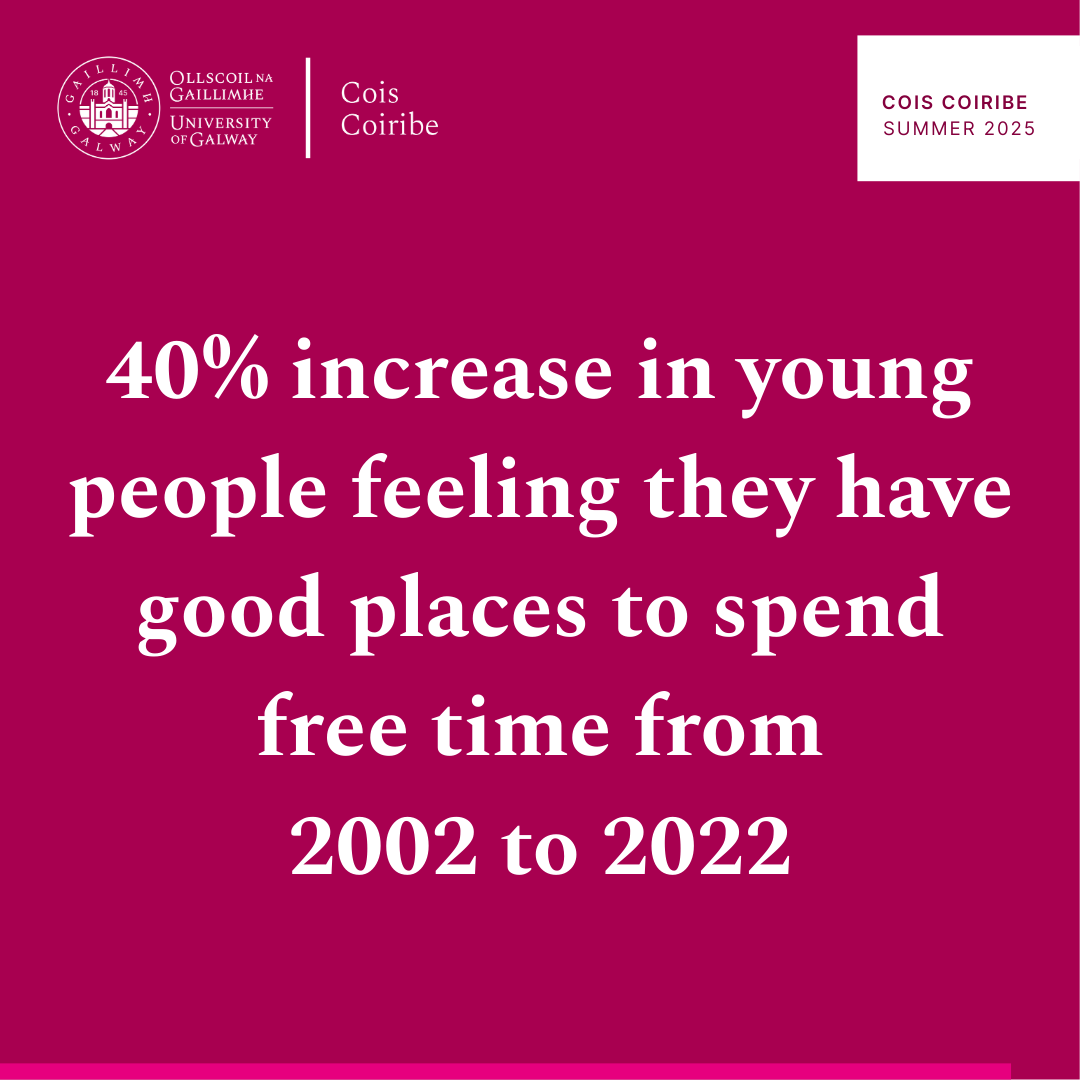
Communication with children between their mothers and their fathers have seen an increase, while living with both parents and reporting of high levels of family support has decreased. In the context of peers, close friendships with those of the same sex have decreased, as have reported peer support and evenings out with friends, and communication with friends of the same sex has seen an increase. There was an overall decrease in the proportion of children reporting liking school, experiencing high levels of teacher support, while feeling pressured by schoolwork, and reports of having been bullied have increased. Children reported feeling less safe in their local area and there was a decrease in reporting being able to ask neighbours for help. Conversely, there was an increase in reporting that there are good places to spend free time.
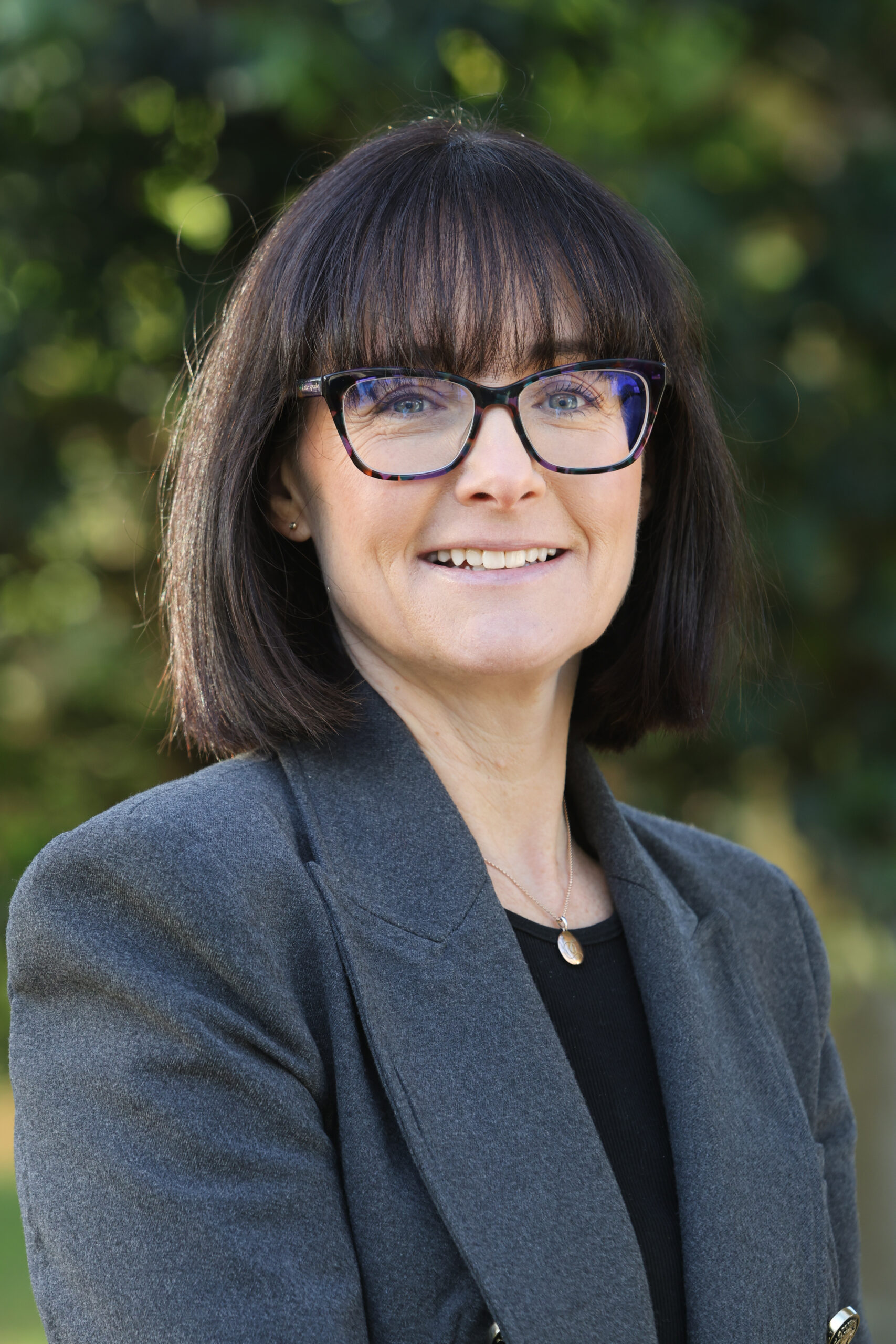
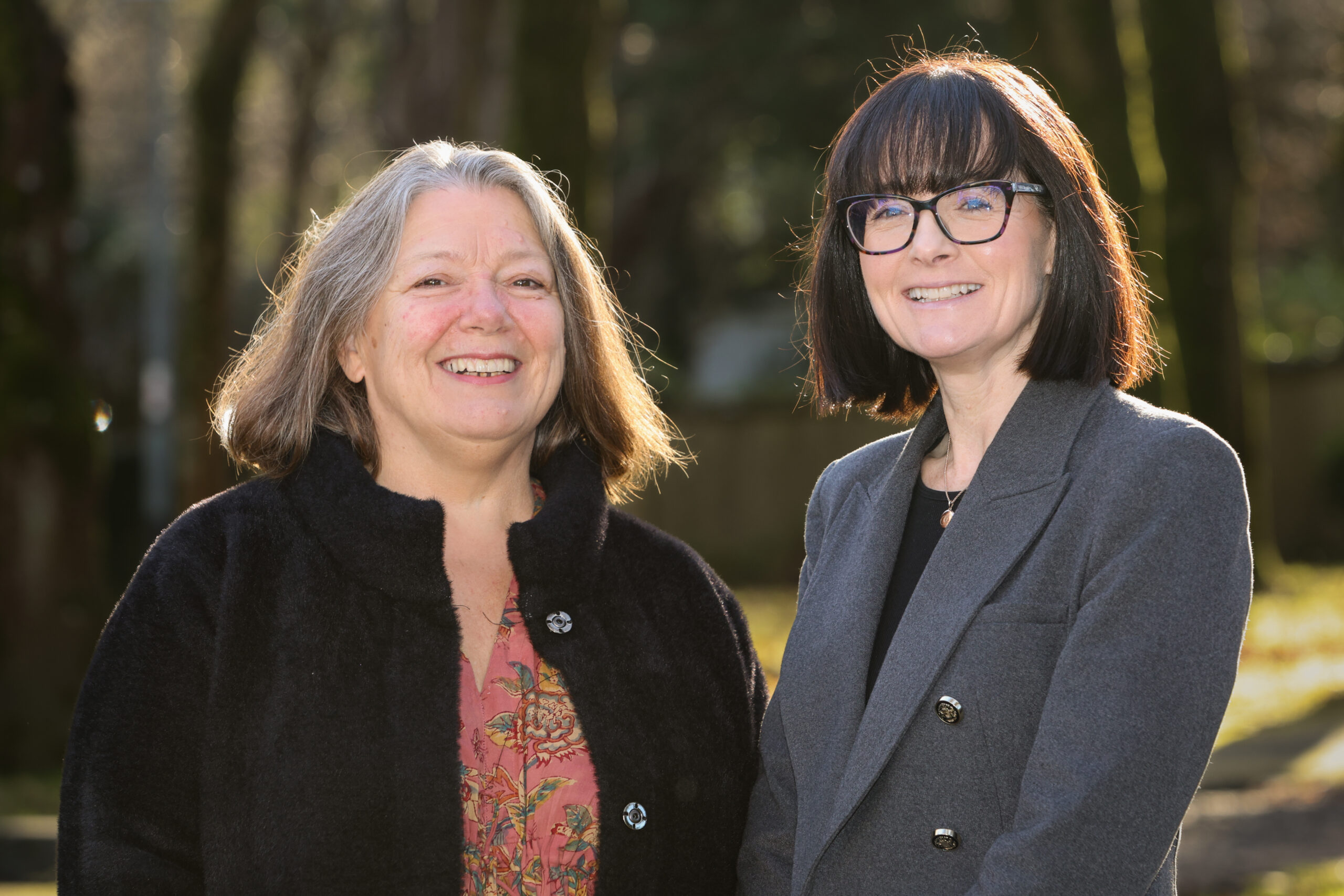
PROF COLETTE KELLY
I have been working on the HBSC study for 20 years. Throughout this time, we have worked as a team, not just with the researchers in our centre, but with many agencies, government departments, and NGOs, all with the aim to improve children’s lives. Together with them we have collected data that has impacted policy making and evidence-based interventions. None of this work would be possible without school principals, teachers, and parents. The children, however, always stand out to me, as they are so willing and interested to be part of the HBSC study. Children have given us so much of their time to complete questionnaires, but also to make the survey fit for purpose through their feedback; co-creation of questions, participation in report launches, and our youth advisory panel. Their energy, passion, creativity, and ideas are what enables and motivates us to do better in our research.
The world in which children grow up today is very different to 1998. Thus, our HBSC team needs to keep abreast of emerging trends in youth culture to adapt our survey and be responsive to young people’s needs. What has not changed, which this report illustrates, is persistent inequalities in young people’s health. Children from lower social class groups are doing less well than those from higher social class groups across a range of indicators. We clearly need to do more to support these children and their families, and we will continue to work collectively with all our stakeholders to reduce inequalities in health.
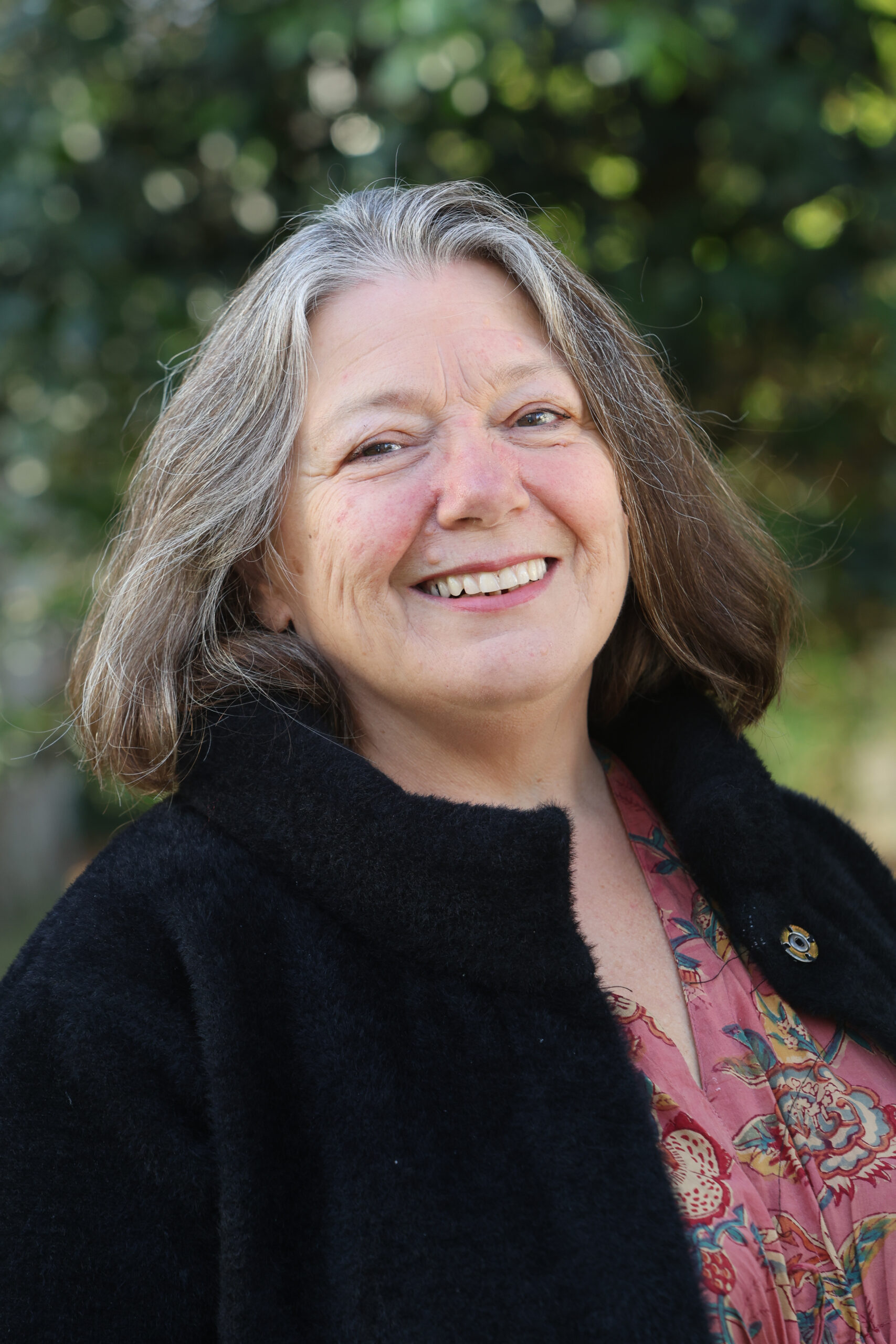
PROF SAOIRSE NIC GABHAINN
I was selected by the International HBSC study principal investigators to lead the study in Ireland in 1994, which was a surprise and a huge vote of confidence in our Health Promotion Research Centre, only three years old at the time. We have worked successfully to secure the support of the Department of Health and report on trends in child and adolescent health behaviour, and the contexts of their lives, since 1998. Along with the children, parents, teachers, and school managements, we have had more than 60 multidisciplinary researchers working on HBSC Ireland over the years. All have contributed their theoretical, methodological, and social perspectives generously, ultimately building a productive, vibrant research environment for us all.
Developing a set of collaboratively agreed principles for our work really helped our decision-making and priority-setting as the team grew and became more successful. We make mistakes along the way and learn from them as a team. The commitment to involving children meaningfully in all aspects of our work came from the principles we developed as did our commitment to honouring them by using the data they volunteered. We do this primarily through widespread dissemination of study findings, including in journal articles, reports, factsheets, videos, data sharing, and contributions to many national and international policy initiatives.
We are proud of what we have achieved together with our government and NGO partners, and also the impact of our work on how children’s lives are considered in Ireland and internationally. The HBSC Ireland team has been privileged by the variety of inputs from research team members and children over these challenging years, which have made our work meaningful for us as researchers, and also for those whose lives we seek to improve.
Profiles


 Articles
 Podcasts
 Videos
 Publications
 New Horizons
 In Focus
 Innovate Together
 Global Impact
 SDG Champion Edition
 Creative Galway
 AI & Human Creativity
 Sustainability
 Equality
 Arts
Arts Business
 Law
Law Medicine
 MedTech
 Science
 Sport
Sport Sustainability
 Impact Toolkit & Case Studies
 Events