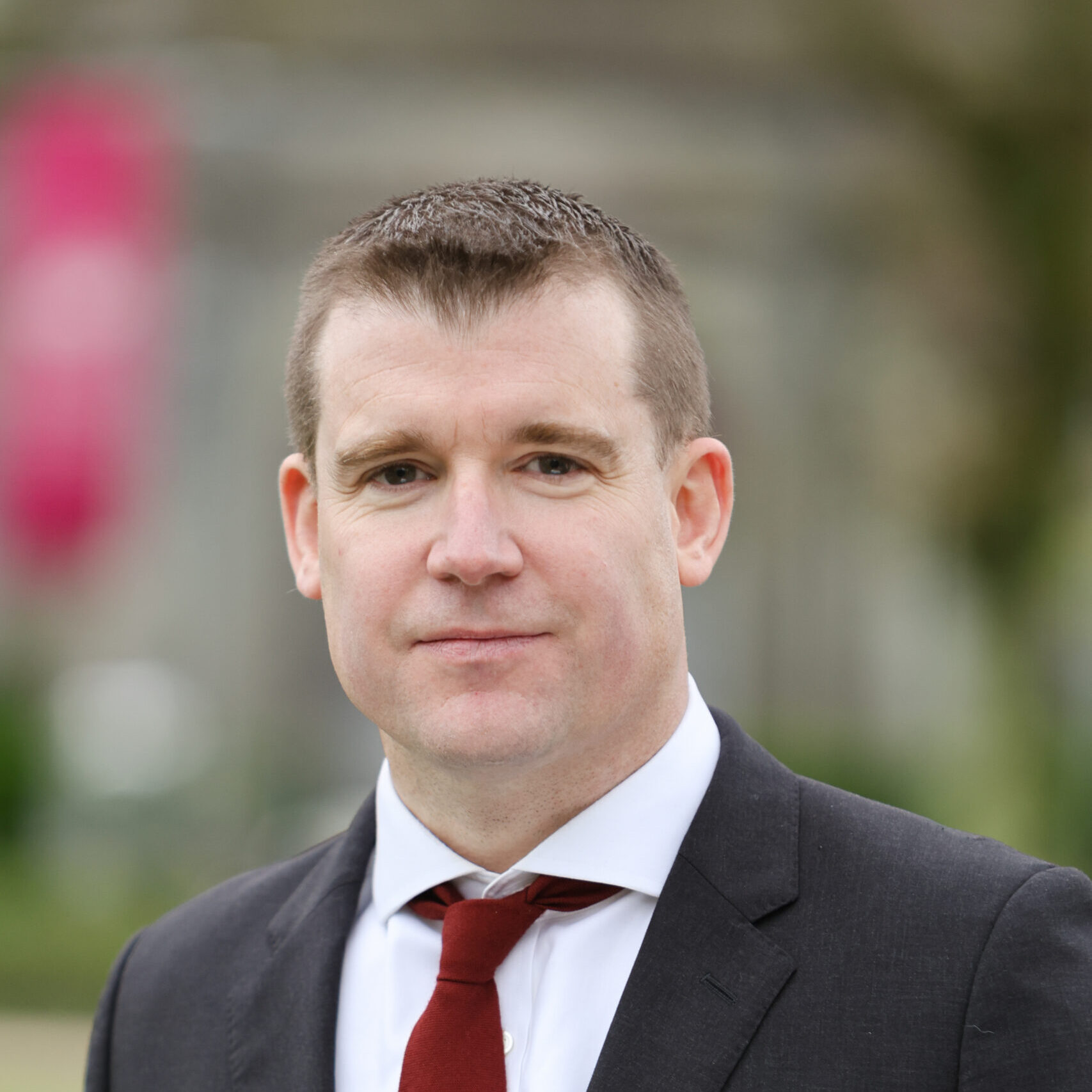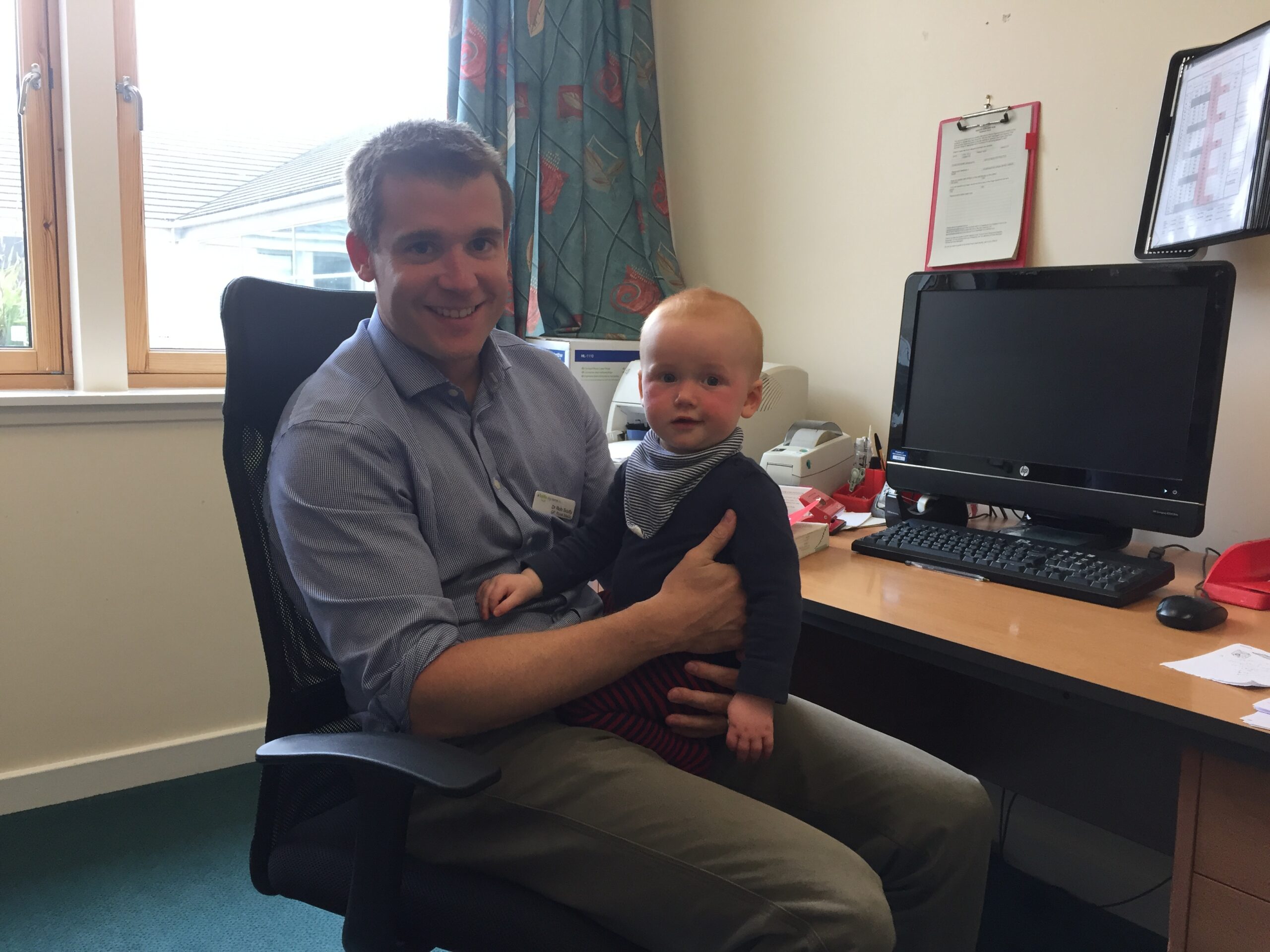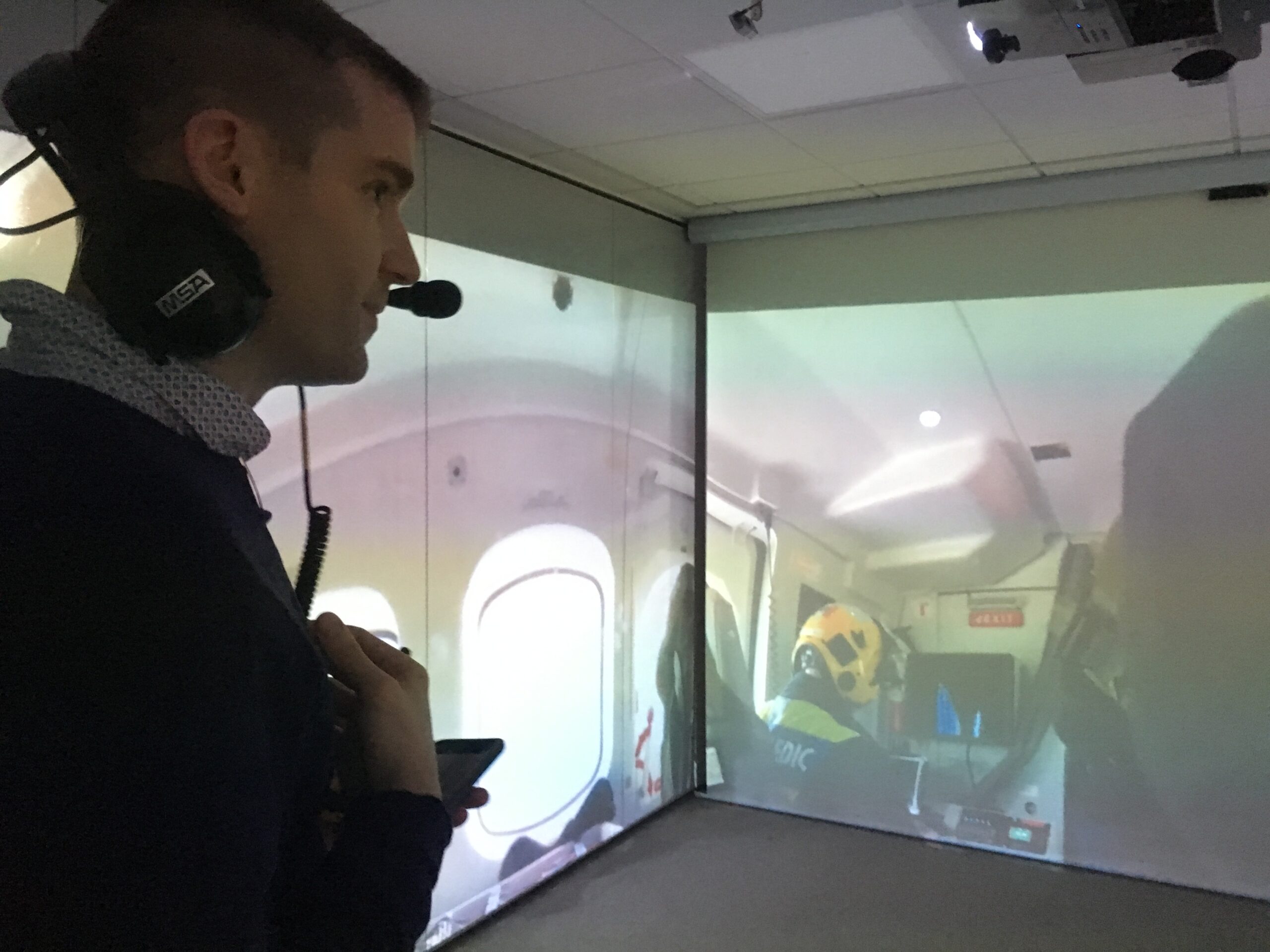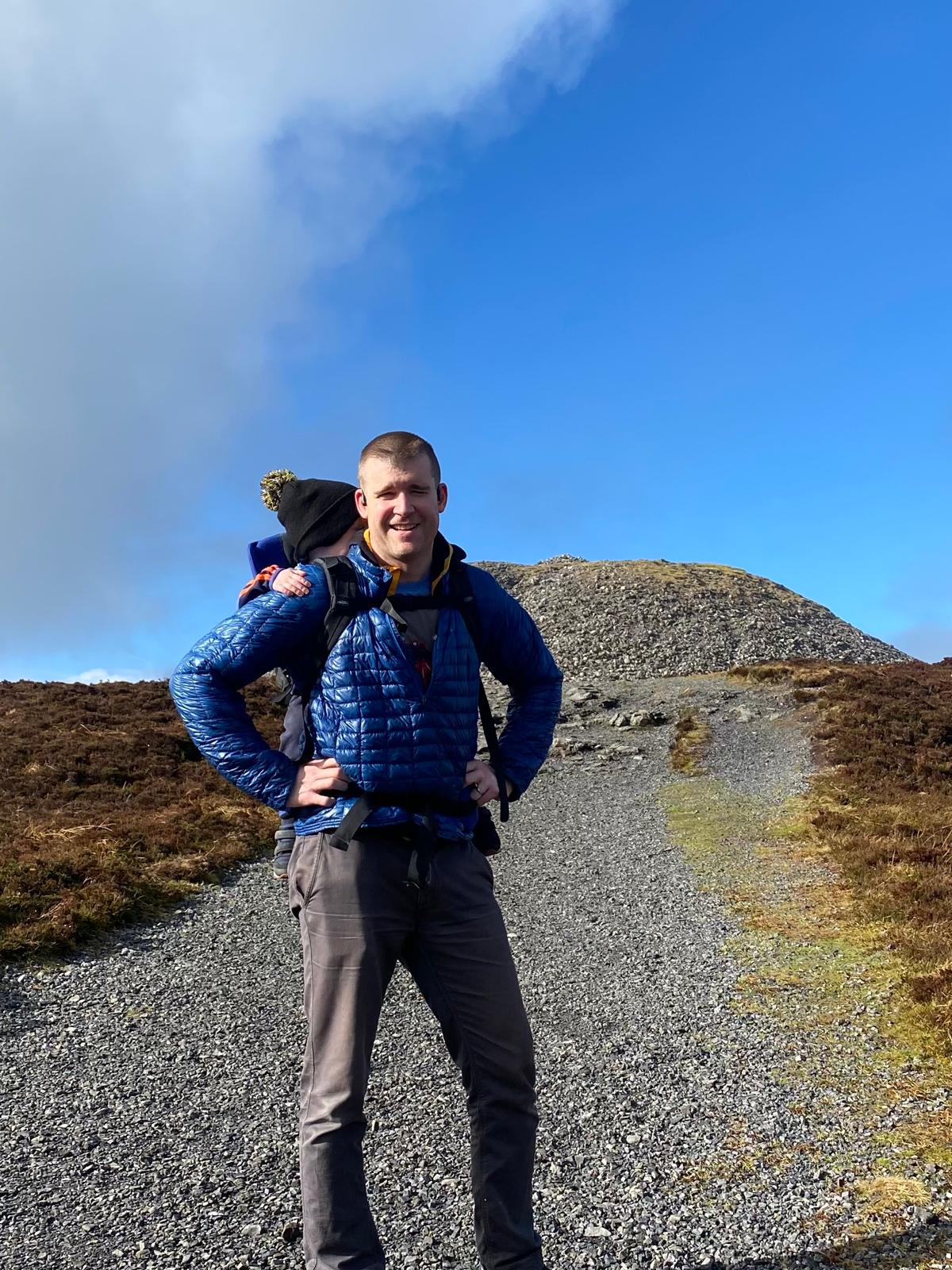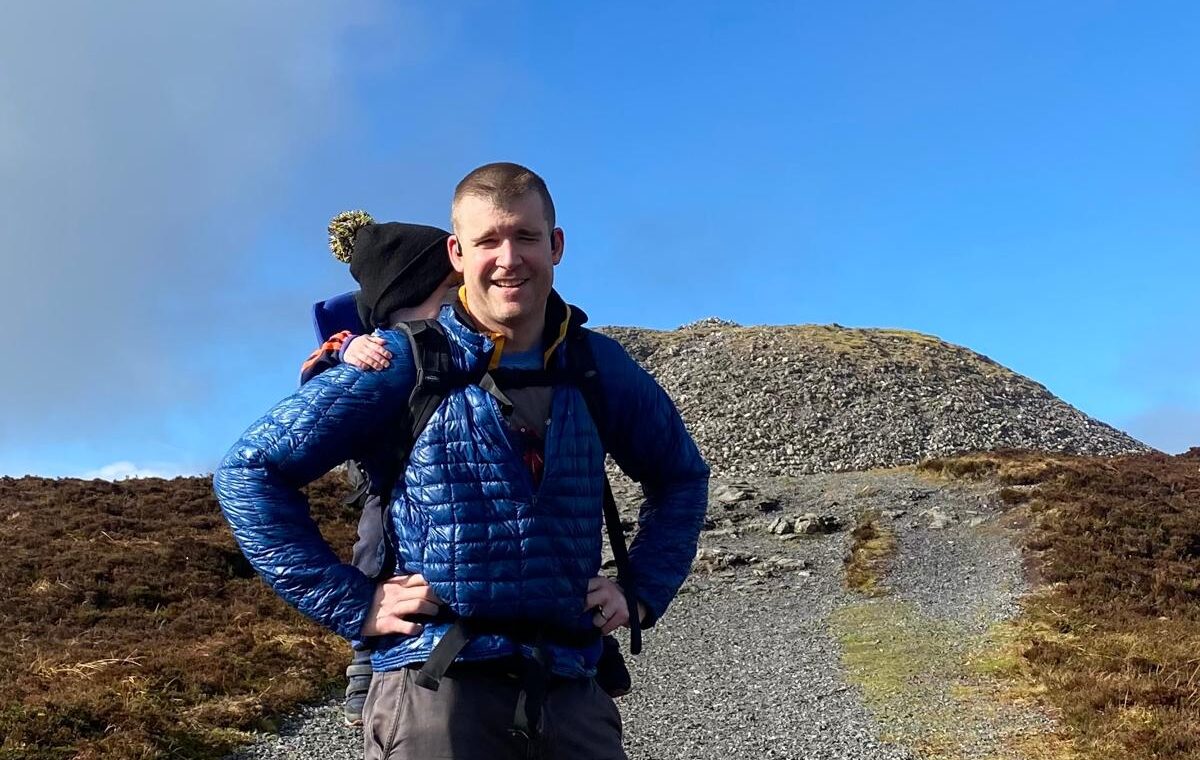

A University of Galway graduate who met his wife on campus, Prof Robert Scully has come full circle, returning to Galway as Ireland’s first Established Professor of Rural and Remote medicine. In this interview, Prof Scully talks about island medicine, healthcare in the West of Ireland, and a new programme that aims to improve rural medicine and health equity.
Meet Prof Robert Scully …
I grew up in Naas, Co. Kildare, as the youngest of four children. My late mother was from Blacksod in Co. Mayo, and my father is from Loughrea in Co. Galway, so I always had a strong affinity for the West. I completed my undergraduate studies at NUI Galway (now University of Galway), and those days were informative in every sense. I made many great friends, discovered what I wanted to do with my career and, perhaps most importantly, met my future wife, Sinéad. As any alumnus will know, the friendships and connections made are truly transformative!
Between then and now I spent many happy and productive years in Scotland, living and working as an academic rural GP, gaining valuable experience in the universities of Aberdeen and Edinburgh; however, it was spending two years as a rural emergency physician on the Isle of Skye which galvanised my interest in rural medicine.
Following my time on the Isle of Skye, I was fortunate to join the University of St Andrews as the clinical academic lead (and subsequently Deputy Programme Director) on an innovative rural medicine programme, which was commissioned to address medical workforce deficits in rural Scotland. During this time, I saw firsthand how education drives health system reform, and this confirmed my desire to combine clinical and academic careers.
What does it mean to you to be Ireland’s first Established Professor of Rural and Remote Medicine?
Returning to Galway in this role feels like a full-circle event, and a massive privilege. My role is the only one of its kind in Ireland, and, as far as I’m aware, one of only two globally – the other role holder is my colleague Prof Bruce Chater in the University of Queensland. For an institution that has always defined itself by its relationship with the region, rural Ireland, and its communities, this appointment is a statement of intent, and I think that drew me back.
My immediate priority is to lead a new and innovative Graduate-Entry Medicine Programme in Rural and Connected Health, to help address the significant medical workforce deficits in rural Ireland. Given my emotional and family connection to this region, the opportunity to design and deliver such a transformative programme, alongside colleagues in the University and the HSE, is a massive privilege for me.
Having been a graduate medical student myself, I am aware of the potential impact such programmes can have on individuals, and it is very rewarding to bring such opportunities to the West of Ireland.
Is there a specific anecdote you have about why you decided to pursue this area of expertise? How did your passion for it evolve?
My passion for rural medicine evolved because of my interest in clinical generalism, and my lifelong love of the great outdoors. Seeing undifferentiated patients, often in resource-poor settings, is an exciting clinical challenge, and a critical resource for rural and remote communities. There is something uniquely demanding and uniquely rewarding. It never escaped me how appreciative rural communities are for their health service – they recognise that the lack of such a service threatens their way of life. It is the difference between safety and vulnerability.
I recall once seeing a crofter in Benbecula – a small island in the Outer Hebrides – who self-presented to our daytime GP service. I had met him before and was immediately concerned, as crofters only attend if they are very sick! It was quickly apparent that he had life-threatening sepsis and needed intensive therapy in a major city hospital. Waiting for the emergency medical retrieval service, we moved him to our local rural hospital and stabilised him whilst awaiting transfer. I was working at the edge of my licence. With the support of colleagues via telemedicine and enhanced technologies, he was retrieved safely a few hours later and thankfully made a full recovery.
It was incredible to think his outcome was determined by an enhanced rural medicine service, working as part of a well-supported team. The most gratifying aspect was seeing him back in my surgery a few weeks later and reflecting on the entire experience. For me, this demonstrated true clinical generalism, which is often required in rural medicine practice, and also the critical importance of continuity of care. These features will be built into the new programme in Galway.
Practicing medicine in these locations is challenging and requires a breadth of expertise and experience, alongside connected health technology. I enjoy this challenge and recognise how important such skills are in all healthcare settings, where we increasingly require clinicians who can make balanced, holistic, and realistic decisions, all in the best interests of their patients, whilst also managing the precious and finite resources of our health service. Such skills are becoming more important as our population ages, and the new GEM programme at University of Galway will emphasise this, alongside the digital and connected health technologies that can help to mitigate the inequitable healthcare access that rural communities often face.
Can you explain the concept of rural health equity and how it can impact society?
Health equity is the absence of unfair, avoidable, or remediable differences among groups of people, whether those groups are defined socially, economically, demographically, geographically, or by other dimensions of inequality. Rural and remote communities are often disadvantaged by inequitable access to healthcare, as a result of their geography. This is unfortunate in any setting, but particularly so in Ireland, where a large minority of our population live in rural locations and make a significant and critical contribution to our economy and culture.
It is impossible to provide the same access to healthcare for urban and rural communities, but with the right intervention, we should be able to provide access to sufficient and safe healthcare for all rural and remote communities in Ireland, such that those communities can thrive. The GEM programme at the University will provide an intervention by training a cohort of doctors in rural and connected health, therefore making a contribution to the sustainability of rural Ireland, particularly across the western region and coastline.
What advice would you give to aspiring students or those considering a career in your area of expertise?
If you are considering a career in rural medicine, it is important to get broad clinical training. Don’t feel under pressure to declare an interest too early in your career. Developing generalist clinical skills is beneficial for any clinician, irrespective of the branch of medicine you choose. And, of course, if you are a graduate who would like to retrain in medicine on a programme that wants to serve this region and those like it, I would genuinely love to hear from you. This programme is designed with people like you in mind!
If you, or someone you know, would like more information, please join our mailing list.


 Articles
 Podcasts
 Videos
 Publications
 Change Makers
 New Horizons
 In Focus
 Innovate Together
 Global Impact
 SDG Champion Edition
 Creative Galway
 Sustainability
 Equality
 Arts
Arts Business
 Law
Law Medicine
 MedTech
 Science
 Sport
Sport Sustainability
 Impact Toolkit & Case Studies
 Events